Pangolin scale smugglers: a few culprits caught, but masterminds behind illegal wildlife trade evade arrest
- Despite worldwide ban, there’s big money in sending ivory, pangolin scales to China
- Hong Kong a major transit point in illegal wildlife trade, but few prosecutions so far

Sometime in the middle of 2017, Hong Kong businessman Wong Muk-nam disappeared without a trace.
The 62-year-old owned a plastic trading factory in Xingtan, a township of Foshan in Guangdong, according to a friend who lives in the mainland Chinese province but refused to reveal his name.
“We were chatting on WeChat, but suddenly he was out of reach,” he recalled. “No responses to messages, phone calls. It was really unusual because he always responded quickly.”
Then Wong’s name turned up as a key suspect in an international syndicate smuggling pangolin scales and ivory from Africa.
According to mainland court documents, he and his associates smuggled at least three shipments of more than four tonnes of pangolin scales worth 3.8 million yuan (US$547,500) from Nigeria to his factory between 2014 and 2016, with the cargo going through South Korea, Hong Kong and Shenzhen.
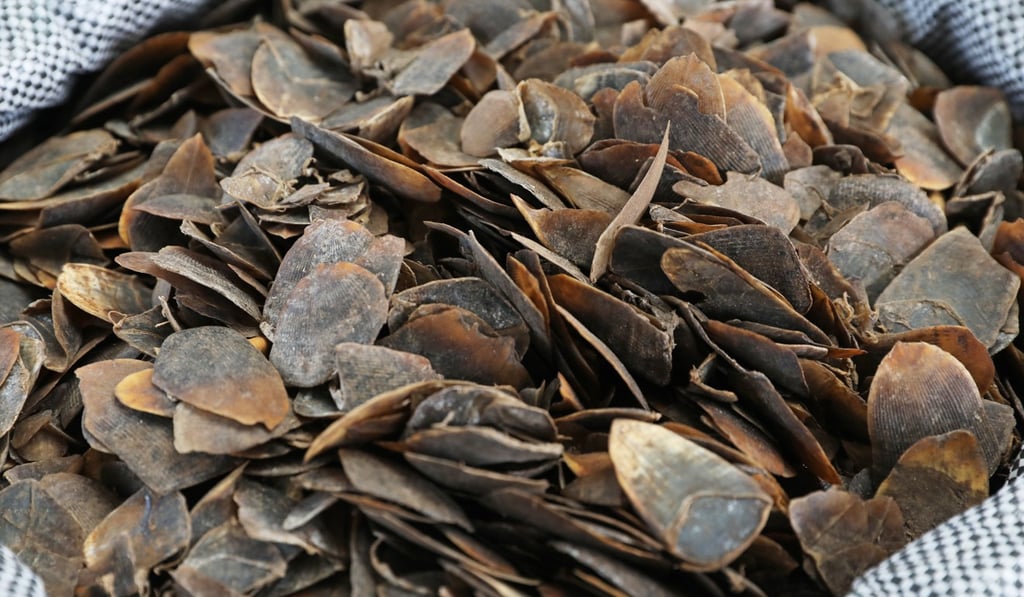
International trade in pangolin scales has been banned since 2017 because the world’s only scaled mammal is so critically endangered, mainly as a result of poaching. Even before that, special permits were needed to trade in the scales.