Drug used to treat rheumatism could also boost effectiveness of antibiotics against superbugs, Hong Kong study finds
- The drug, known as auranofin, could present an alternative to the costly and time-consuming process of developing new antibiotics to treat superbugs
- Hong Kong records some 700 deaths a year from so-called superbugs, which are bacteria that have developed a resistance to commonly used treatments

A drug used to treat rheumatic disorders can resurrect the efficacy of so-called last-resort antibiotics to kill superbugs in an animal model, a study by Hong Kong’s top university has found.
The findings of the research, led by University of Hong Kong (HKU) scientists and published in Nature Communications last month, could make existing antibiotics more effective in killing superbugs – bacteria that are resistant to conventional treatments and can prove fatal.
The researchers said the antirheumatic gold drug, auranofin, could be repurposed to inhibit two resistance enzymes, MBL and MCR, used by drug-resistant bacteria to deactivate antibiotics like colistin, a “last resort” used to treat superbugs.
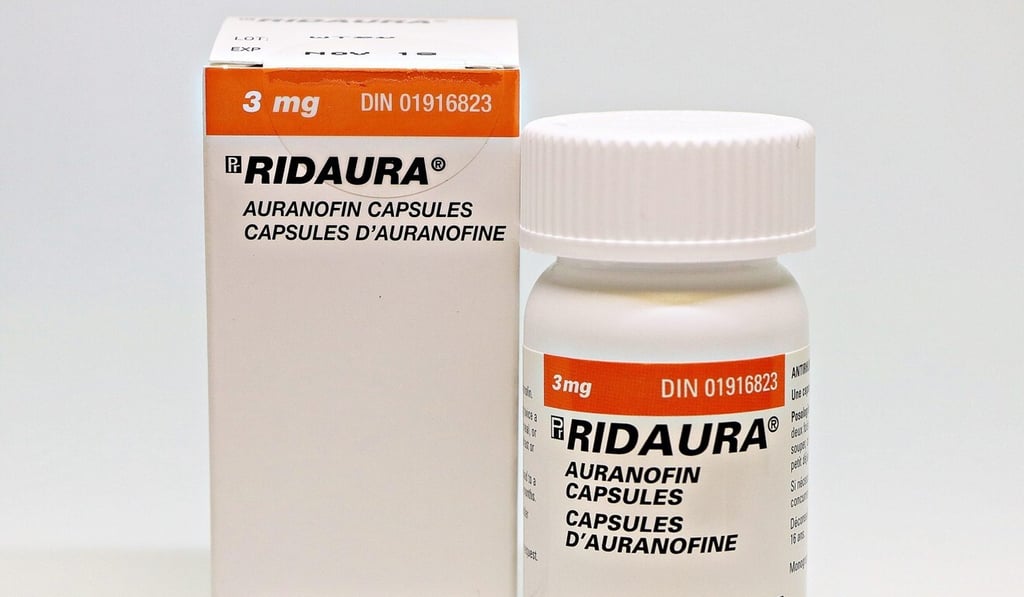
“Instead of developing a new antibiotic, which takes eight to 10 years, we repurpose or clinically use the drug to inhibit the resistance enzymes in the bacteria and change [the superbugs] into normal bacteria, which can then be killed by the antibiotics,” said Professor Sun Hongzhe, chair professor of HKU’s research division for chemistry.
“Superbugs can normally chop the antibiotics to pieces. But now we can change the superbug into normal bacteria by inhibiting the resistance enzymes.”
Auranofin binds to the resistance enzymes MBL and MCR, then kicks out the crucial zinc ions in both, making them dysfunctional.