Hong Kong residents should be allowed to choose which Covid-19 vaccine they take, experts say
- Health care professionals believe giving people a choice will help build trust in the government’s coronavirus vaccination programme
- Dr Ho Pak-leung of HKU says if more than one type of Covid-19 vaccine is available, the public should be allowed to choose

Hong Kong residents should be allowed to choose which Covid-19 vaccine they take from a pool of suppliers, medical experts said on Tuesday, after the health minister sought to clarify whether the public would have the option.
The administration is expected to announce details of the vaccination programme soon, with the first batch of doses, manufactured by mainland China’s Sinovac Biotech, expected to arrive in the city within the first weeks of January. They will be followed by shots from Pfizer-BioNTech.
In unveiling the acquisition plan earlier this month, city leader Carrie Lam Cheng Yuet-ngor said the public would not be able to choose their vaccine. Lam pledged that every resident would receive a free jab and said the government was prepared to purchase as many as 30 million shots if the vaccines required two doses to be effective.
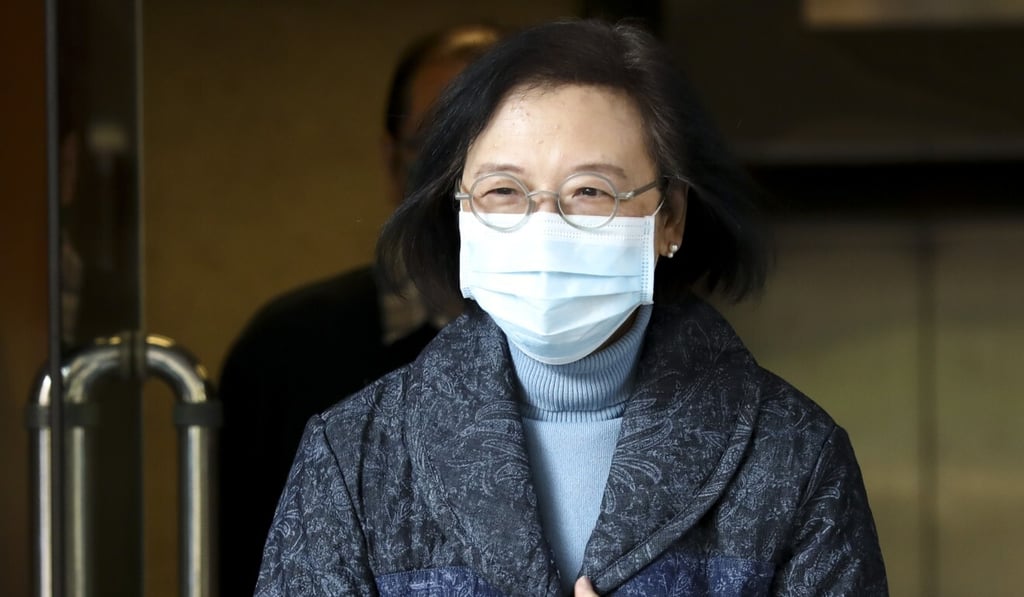
But on Monday, Secretary for Food and Health Professor Sophia Chan Siu-chee hinted a final decision had not been made.
[Giving patients a choice] is a basic principle for health care workers
“Different vaccines might arrive at different times. There are so many arrangements to be made and the vaccination [plan] will be under government arrangement and for emergency use,” she said, referring to the bypassing of usual registration procedures for medicines. “It is too early to talk about choices at this stage.”
Experts said giving people a choice would help build trust in the programme.
“If people could make their own choices, their confidence would be higher and worries would be less,” said Dr Edmund Lam Wing-wo, a family doctor familiar with the government vaccination measures. “[Giving patients a choice] is a basic principle for health care workers.”