Hong Kong researchers claim breakthrough method can detect autism risk by scanning back of eye
- Chinese University team studied retinal images taken with specialised cameras for physical signs found in eyes of children with the disorder
- The approach method promises a quick diagnostic tool that is up to 96 per cent accurate, but they need more test subjects to fully develop the technique

Researchers in Hong Kong say they have developed a world-first method to detect autism in children by scanning and analysing the back of their eyes using cameras and computer technology.
The quick, non-invasive process can identify children at risk of the developmental disorder with up to 96 per cent accuracy, but wider application of the finding is hampered by a lack of research subjects, according to team leader Professor Benny Zee Chung-ying, director of the centre for clinical research and biostatistics at Chinese University.
The team used specialised cameras already available on the market to take retinal images and scan for signs indicating risk of autism spectrum disorder (ASD). The differences are invisible to the naked eye, but computer analysis uncovered key differences between children with the condition and those without it. In subjects with ASD, the diameter of the optic disc, where neurons exit the eye and can be seen as a bright round spot in the images, is larger. They also have significantly bigger optic cups, which is located in the centre of the optic disc.
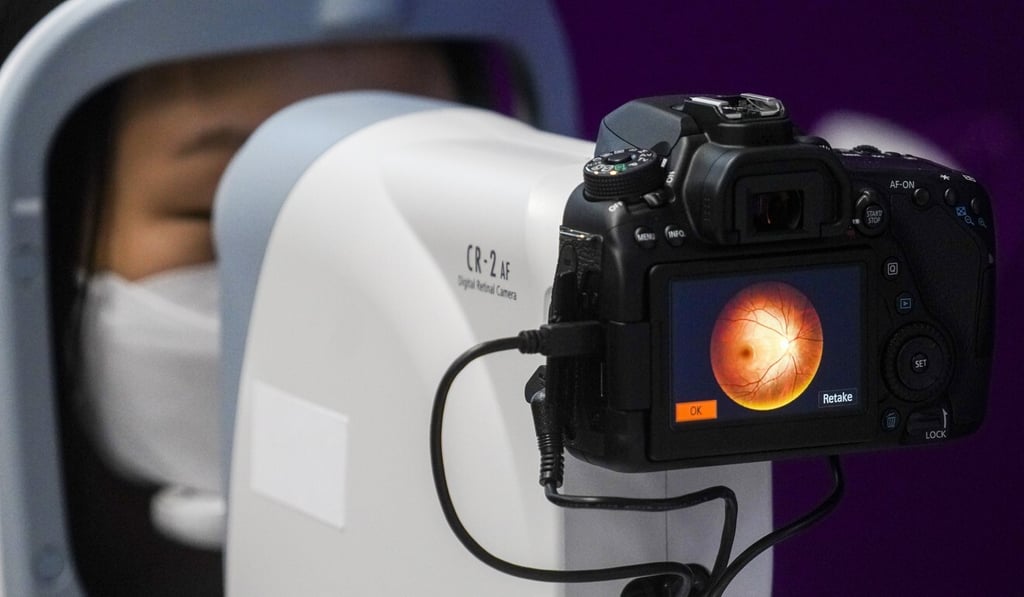
Tests on 46 children with ASD and a matched control group showed diagnosis was accurate up to 96 per cent of the time, according to the team, which published the findings in The Lancet’s EClinicalMedicine journal in November.
“This result was relatively surprising to me,” Zee said. “It was much better than I could have imagined.