Coronavirus: Hong Kong children experienced increased hyperactivity, diminished social functioning as a result of school closures, survey finds
- University of Hong Kong finds children’s hyperactivity levels rose by 7.5 per cent during the school closures, while parental stress went up 5.6 per cent
- Researchers say a separate study of young people who contracted Covid-19 last year suggests the risk of infection at school may be comparatively low

The University of Hong Kong (HKU) poll of 29,202 families with children aged between two and 12 showed that children experienced elevated hyperactivity during the suspension of face-to-face classes, with symptom scores 7.5 per cent higher than they were before the pandemic.
It also found that children experienced diminished emotional and social functioning, and lower levels of physical activity during the school closures.
“It is evident that children’s psychosocial well-being has been adversely affected by extended school closures during the pandemic,” said Dr Mike Kwan Yat-wah, an honorary clinical associate professor of paediatrics and adolescent medicine at HKU.
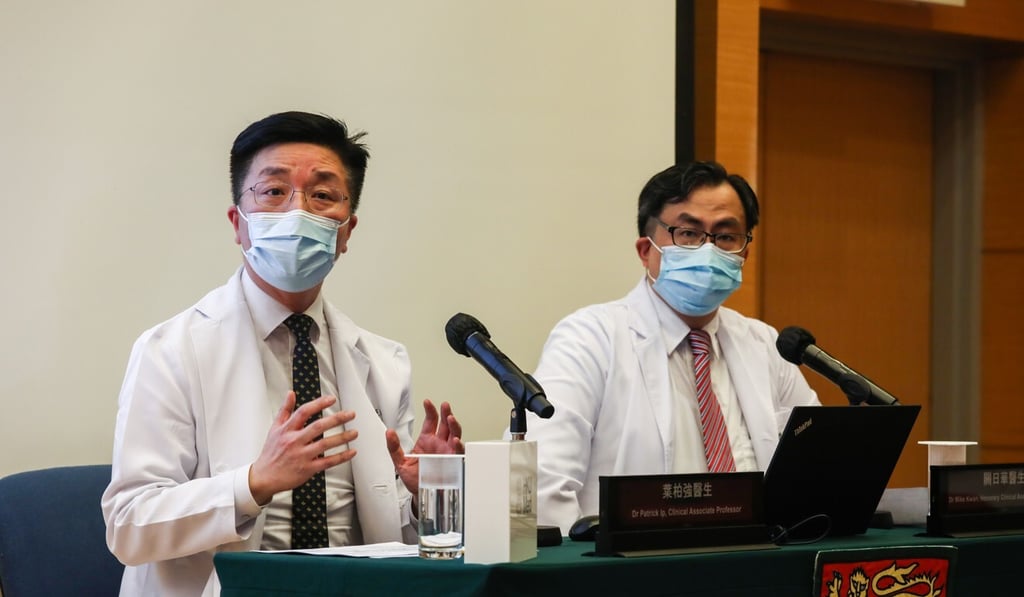
The online survey, conducted during the first and second waves of coronavirus infections last year, also found that parents’ stress levels increased by 5.6 per cent compared with their pre-pandemic scores.
Meanwhile, children with special educational needs, acute or chronic diseases, and mothers with mental illness – as well as those from single-parent or low-income families – were more likely to develop psychosocial problems, according to the study.