WWF-Hong Kong calls on government to step up protection of threatened habitats on South Lantau
- A WWF-Hong Kong analysis has found large parts of Pui O, on the South Lantau coast, to be at risk from development
- South Lantau’s diverse habitats support important and vulnerable species, such as the Chinese horseshoe crab and the Romer’s tree frog

A leading environmental group has called on Hong Kong authorities to increase their protection of ecologically sensitive habitats in South Lantau after a survey of the area identified five spots threatened by human activities.
A WWF-Hong Kong analysis of 47 watersheds – places where run-off collects in rivers and drains into a reservoir or bay – found nearly 37 per cent of the non-country park areas of Pui O, a popular recreational spot along the South Lantau coast, to be at risk from the likes of development and illegal dumping.
“Over the years, construction waste has been repeatedly dumped into freshwater marshes and wetlands along the entire South Lantau coast, even though the land has been listed as a coastal protection area, or green belt zone,” said Andrew Chan Chung-ming, senior conservation officer for policy at WWF-Hong Kong.
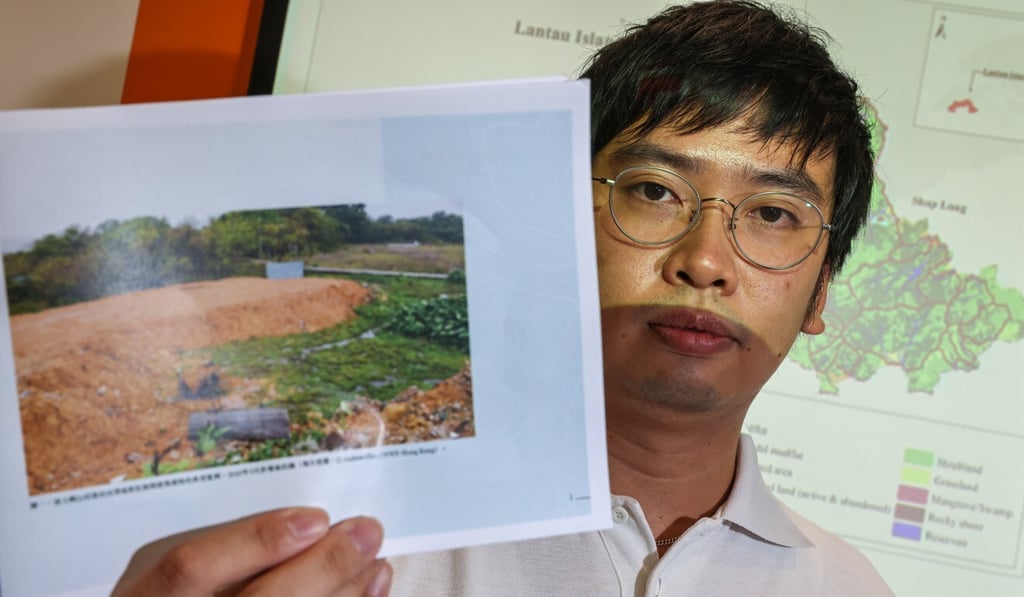
Other areas of concern were Tong Fuk, Cheung Sha, Shap Long and Shui Hau, all of which Chan said were underprotected by current legislation and at risk from increasing land reclamation and dumping of construction waste.