Green group warns against pursuing flawed wetland loss mitigation strategy for Hong Kong’s planned Northern Link
- Past efforts at mitigation have proved unsatisfactory, and adjusting rail line’s route to avoid wetlands is preferable, Conservancy Association says
- Allowing projects to destroy wetlands only to create new ones to mitigate damage may lead to ‘vicious cycle of destruction’, advocate says

A previous strategy of creating artificial wetlands to compensate for the loss of natural wildlife habitats should not be reprised for a railway project servicing Hong Kong’s planned Northern Metropolis, a green group has warned, saying past efforts at mitigating the damage done by development have proved unsatisfactory.
Among the possible outcomes listed in the document were the potential loss of existing man-made wetland habitats in Kam Tin, created to mitigate the impact of the West Rail line, and of marshy agricultural lands at Shek Wu Wai.
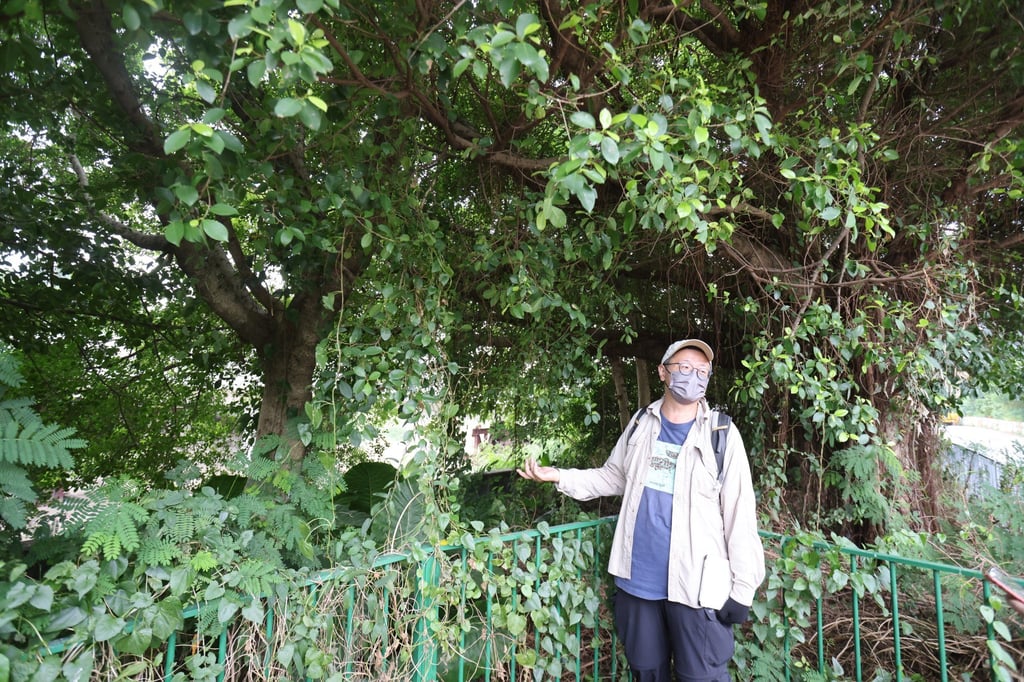
Peter Li Siu-man, senior campaign manager for the Conservancy Association, said such an outcome would be unacceptable.
“In principle, giving up compensation wetlands is an incorrect approach. I worry that it will become a trend to surrender mitigation wetlands and create new ones to replace them, leading to a vicious cycle of destruction,” he said.
In the early 2000s, the Kowloon-Canton Railway Corporation – whose lines are now operated by the MTR Corp – created 12 artificial wetland sites to compensate for 12 hectares of natural wetlands between Kam Tin and Pat Heung in Yuen Long that were destroyed during the construction of the West Rail line. The new sites were converted from empty sections of river, waste yards and construction sites.
The West Rail line was the first large-scale project required by the government to include a managed wetland compensation arrangement following an environmental impact assessment. Now, two decades on, those same compensation sites could be affected by the construction of the Northern Link.
The Conservancy Association found that while some of the earlier sites were still functioning as wetlands, others were in bad shape. Li noted that the man-made wetland parcels were disjointed and small, with some withering in the shade of the rail viaduct, which also blocked the flight path of birds that depended on the habitats.