ExclusiveCoronavirus Hong Kong: decision to cull 2,000 hamsters ‘super harsh’, could lead owners to abandon their pets, academic says
- City University’s Professor Nikolaus Osterrieder says zero-Covid policy, lack of biosafety confinement facilities make it difficult to quarantine and treat the animals
- He admits he is worried pet owners may overreact and dump their animals even though likelihood of other pets in the city becoming infected ‘is very close to zero’
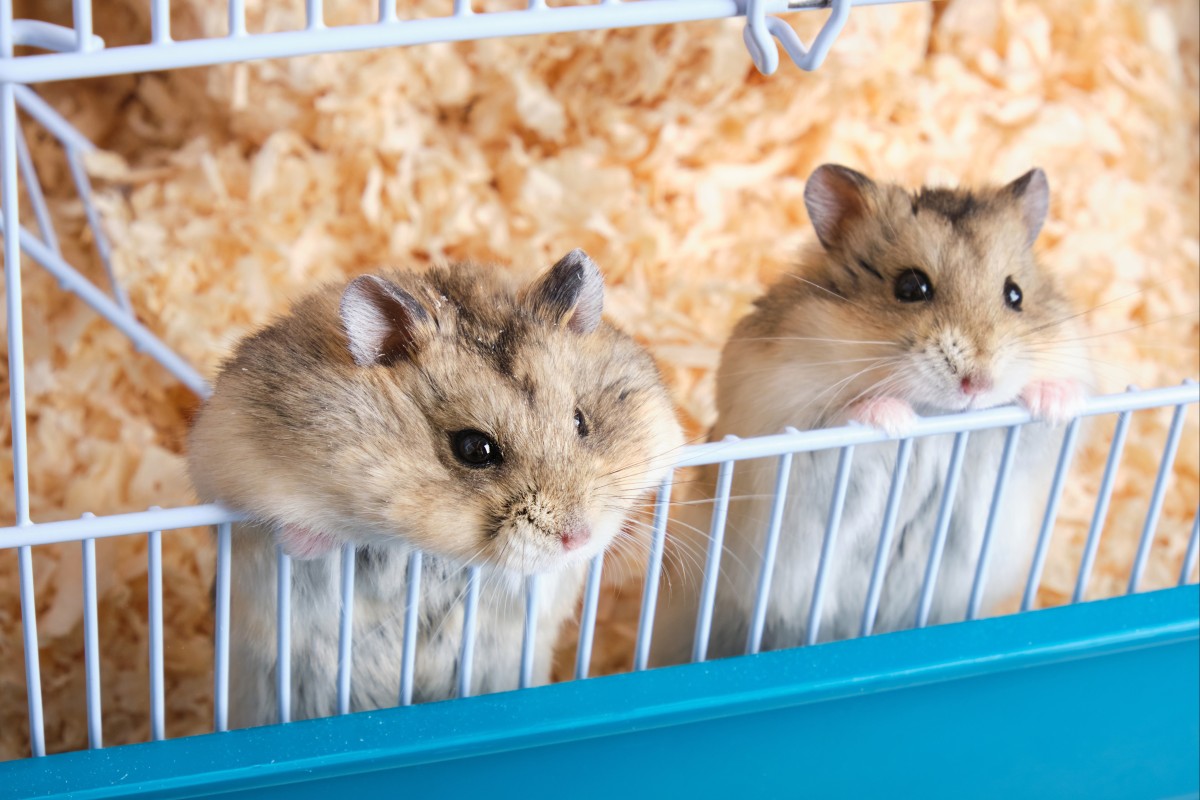
In an exclusive interview with the Post, Professor Nikolaus Osterrieder, dean of the college of veterinary medicine and life sciences at City University, said he believed the city’s zero-Covid policy and lack of biosafety confinement facilities meant the alternative to quarantine and treating those animals was difficult.
“From a veterinary and animal welfare perspective, it would be preferable to try to save the lives of those hamsters, [but] I am afraid it may not be doable,” Osterrieder said.

“This is a super harsh measure, but if you are following a zero-Covid policy, that is why tolerance is very, very low.”
The academic was speaking hours after the Agriculture, Fisheries and Conservation Department (AFCD) on Tuesday asked pet owners and shops to hand over 2,000 hamsters that had been imported in two batches since December 22. The animals would be tested before euthanisation.
Officials made the order after 11 samples taken from hamsters in a Causeway Bay pet store came back positive. The shopkeeper and a customer were confirmed to be infected with the Delta variant.
The city also temporarily suspended imports of small animals pending a review of rules, such as adding pre-departure and on-arrival tests and quarantine requirements.