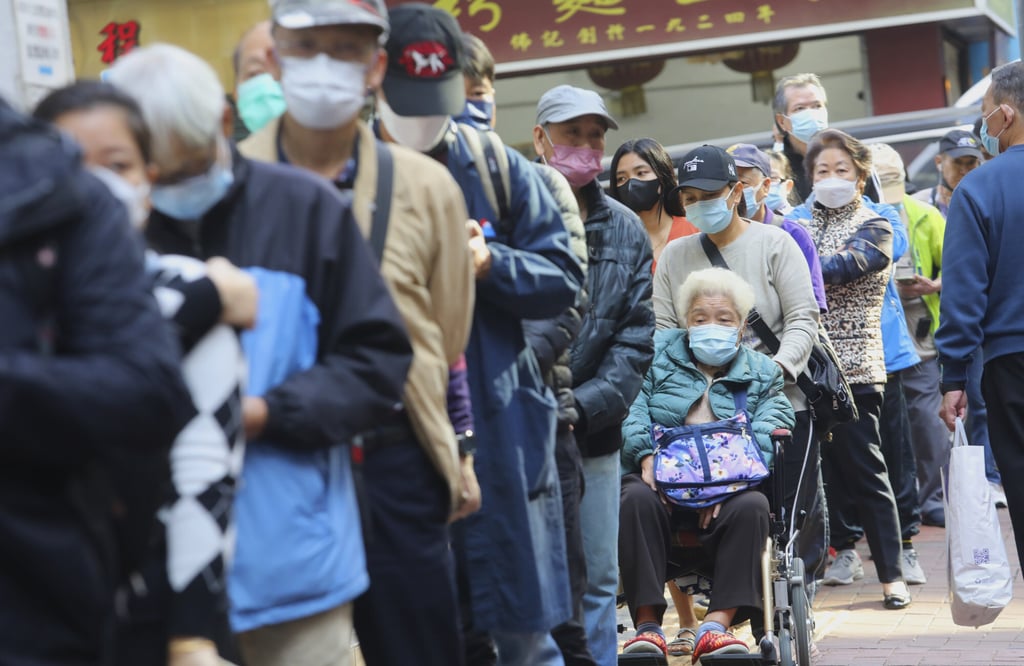
Coronavirus: after another pandemic year for Hong Kong, how long can it remain a zero-Covid city?
- The city is about to mark two years of Covid-19 amid the dreaded fifth wave which finally reared its ugly head as the Omicron variant slipped into the community
- Epidemiologist Benjamin Cowling says dangers remain, including the stubbornly low vaccination rate among the elderly
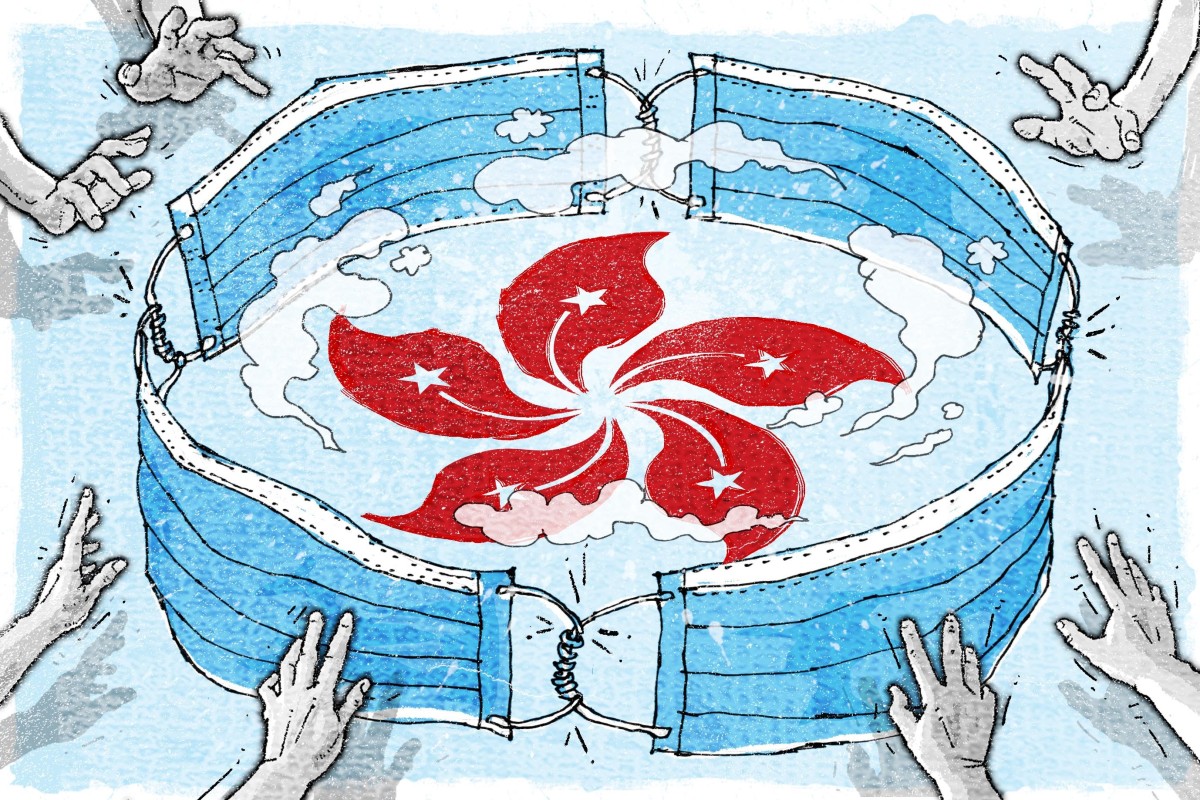
In the first of a two-part series on Hong Kong’s battle with the Covid-19 pandemic, the Post looks at the successes and failures of the past 12 months, and how residents have been coping with the physical and emotional toll of the health emergency.
Experts at the time were already warning of a potential fifth wave, with the looming spectre of even more lockdowns and social-distancing rules for a city already weary from a year’s fight with Covid-19.
Leading epidemiologist Professor Benjamin Cowling, from the University of Hong Kong (HKU), was among those bracing themselves for the worst, but 2021 was not the annus horribilis he and many others expected – though neither was it a banner year for pandemic-hobbled Hong Kong.
The feared fifth wave did not materialise for the better part of the year, even as the more infectious Delta and Omicron variants spread like wildfire across the rest of the globe. Travel bubbles with other destinations were floated and burst, and the city’s border with mainland China never fully reopened despite repeated promises from top officials.
A citywide vaccination drive gradually picked up steam, but after nearly a year, a substantial portion of the population, the elderly in particular, remain vexingly unjabbed.