Irritability, anger and denial: coronavirus pandemic leaves many Hong Kong residents with symptoms of post-traumatic stress disorder, study finds
- 12.4 per cent of respondents showed signs of PTSD and researchers warn the situation likely worsened during fifth wave
- Those with lower level of education, were jobless or lacked a source of income found to be at higher risk
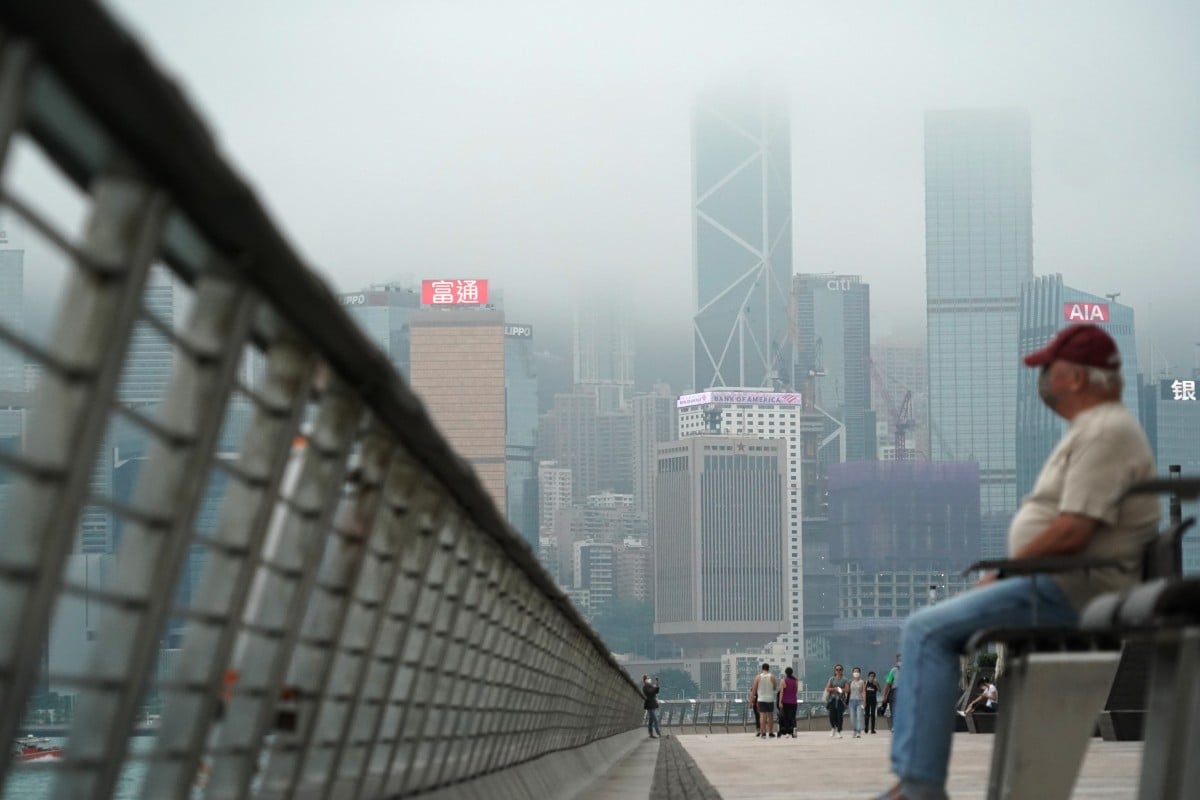
The first year of the Covid-19 pandemic left one in 10 Hong Kong residents with symptoms of post-traumatic stress disorder (PTSD), according to a new study, and researchers have warned that the numbers could be much higher after the fifth wave of infections.
Researchers at Polytechnic University interviewed 3,011 residents contacted by telephone at random between December 2020 and February last year. It found 12.4 per cent of respondents exhibited symptoms of PTSD, including inadvertently thinking about the pandemic, growing irritable or angry and denying the existence of the coronavirus.
But the researchers warned the situation could have worsened during the fifth wave, which was now subsiding, when hundreds of thousands of new infections and thousands of deaths overwhelmed the healthcare system. They warned that between 30 and 40 per cent of residents could be afflicted with PTSD symptoms.
“The pandemic has dragged on for two years and become a ‘new normal’, which has dealt a huge blow to people’s work-life schedules, health management, work and social activities,” said Professor David Shum Ho-keung, dean of the university’s faculty of health and social sciences and who led the study, on Wednesday.
“Being in a constant state of stress and not managing it could cause adverse impacts on our mood and daily lives, and may lead to mental health problems in the long run.”
Residents were asked to assign a value from zero to four in response to 22 statements about the pandemic, such as “any reminder brought back feelings about it”, “I had trouble staying asleep”, and “I felt irritable or angry”, with a score of 33 or above indicating possible PTSD.
The study also found that residents were at a higher risk of suffering PTSD due to the pandemic if they had a lower level of education, were jobless or lacked a source of income.