Hong Kong research brings hope of non-invasive self-test kit for women to replace Pap smear in fight against cervical cancer
- Dr Choi Pui-wah from Chinese University, founder of WomenX Biotech, seeking to produce technology enabling users to test for disease using menstrual blood
- Goal is to hit retail shelves by 2025, with each kit costing HK$300

A non-invasive kit to self-test for cervical cancer may become available for women, according to a Hong Kong scientist.
Dr Choi Pui-wah, a PhD holder from the Chinese University of Hong Kong (CUHK) and founder of WomenX Biotech, said she hoped her work would encourage more women to test for cervical cancer, which is ranked eighth among female cancer incidences and deaths in the city, claiming 162 lives in 2019 .
“I also hope this technology can be extended to other diseases such as ovarian cancer, which is likewise hard to identify, with many only discovering it at a later stage,” she said.
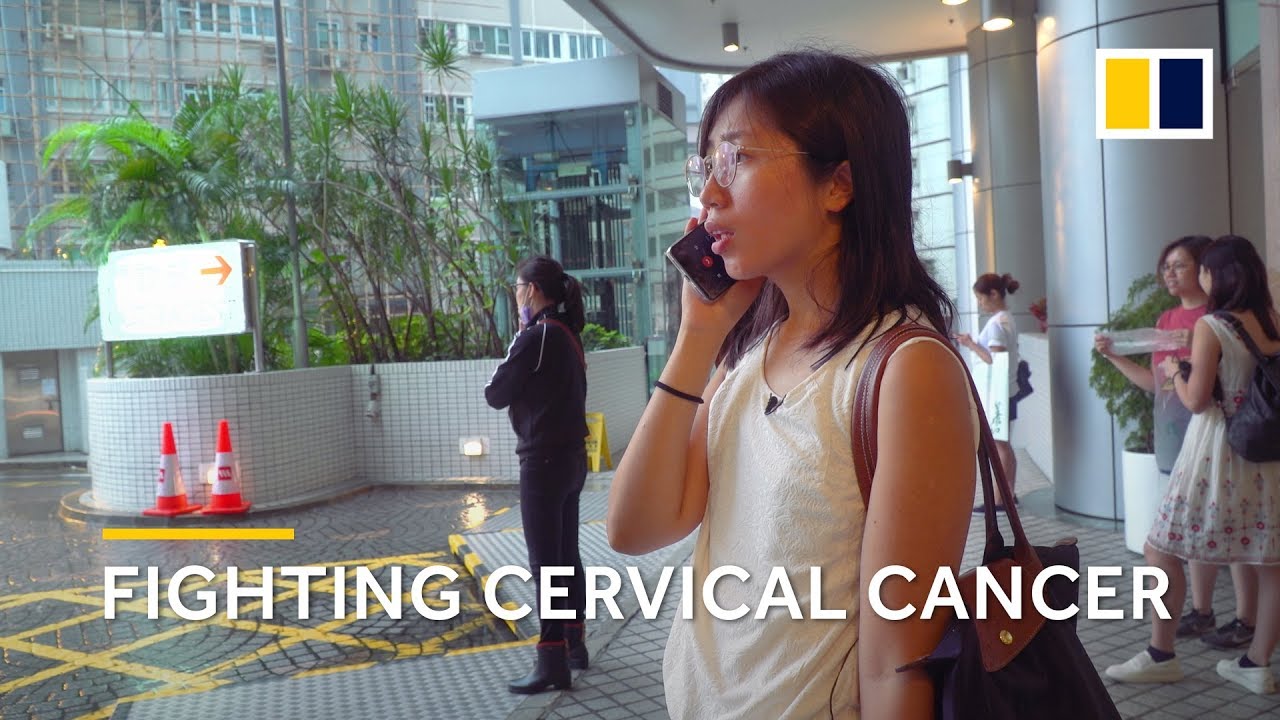
03:07
In Hong Kong, women can fight cervical cancer with vaccines and tests
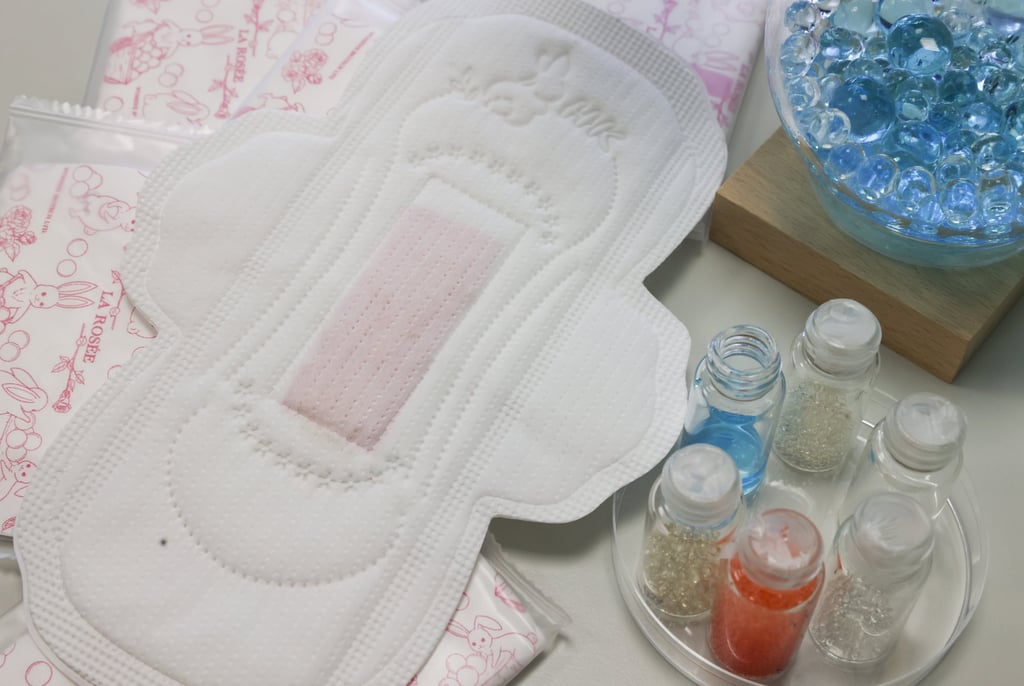
Choi’s technology, which still requires more tests, centres on screening for cancer using menstrual blood – a process that can be easily self-applied in privacy. This bypasses the need for a Pap smear, which involves inserting a tool into the vagina to collect cells at the outer opening of the cervix. Patients have complained the process is often painful or uncomfortable.
“A friend of mine shared with me her unpleasant Pap smear experience, inspiring me to study if menstrual blood could be an alternative,” Choi recalled. “We hope to redefine menstruation and sanitary pads as opportunities and tools for self-testing.”
Choi said her research aimed to allow women to collect a small amount of menstrual blood and test it for cancer or other diseases. The accuracy of such tests could be up to 80 per cent, she estimated.
The scientist, who returned from Harvard Medical School in 2018, also voiced hope her story would continue to inspire more young Hongkongers interested in biotechnology.
“I was previously invited by CUHK professors to speak at career talks. The professors felt that students seemed to lack clear goals and worried about job opportunities for life science graduates,” she said, adding that the situation had since improved and her start-up had received hundreds of applications for internships.