Hong Kong scientists excited to find rare leopard cats thriving in Kadoorie Farm reforested area
- Density of 0.87 leopard cats per sq km is second in the world only to that on island off Singapore
- Year-long survey using cameras found nine leopard cats, including two juveniles, in Kadoorie area

Hong Kong conservationists who were thrilled to discover a group of rare leopard cats in the Kadoorie Farm and Botanic Garden have said their presence is testimony to decades of reforestation efforts there.
That made for a density of 0.87 cats per sq km, second in the world only to Singapore’s outlying island of Pulau Tekong, a restricted military area which recorded 0.89 individuals per sq km.
A year-long survey found nine cats, including two juveniles, in the 148-hectare conservation area next to Lam Kam Road, which connects Tai Po in the New Territories East and Yuen Long district in the west.
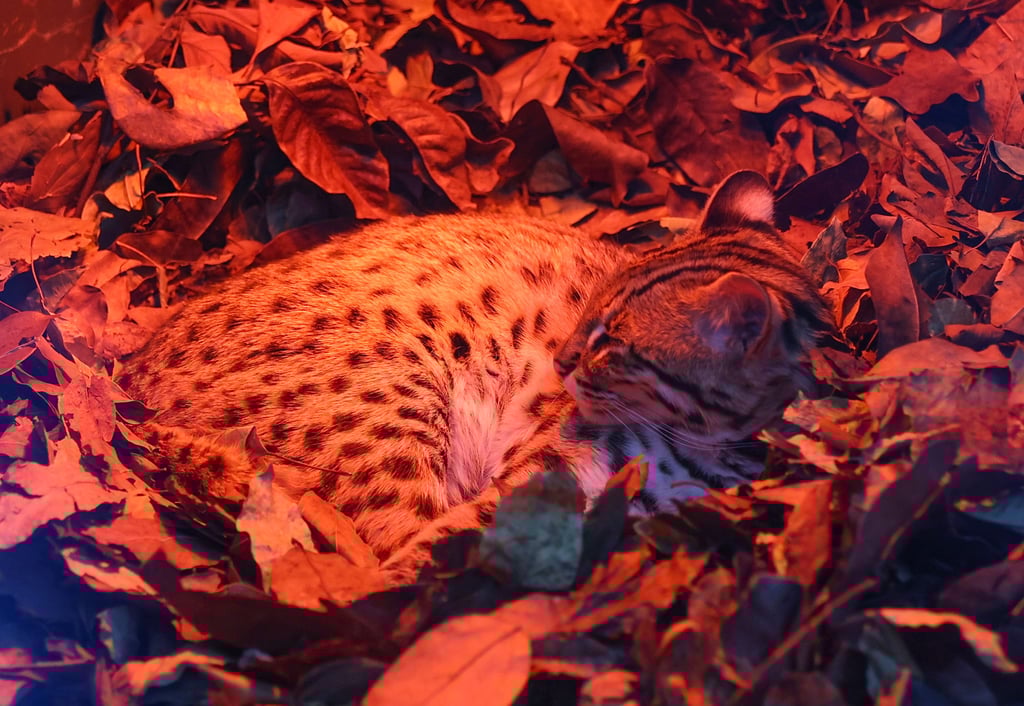
The density at Kadoorie Farm was higher than in similar studies in the central part of Taiwan, a Unesco biosphere reserve in Thailand, tiger sanctuaries in India and national parks in Malaysian Borneo.
“The result was beyond my expectations. I didn’t know there was such a number, considering how small the farm is,” said Yang Jianhuan, a senior conservation officer at the Kadoorie Conservation China Department.
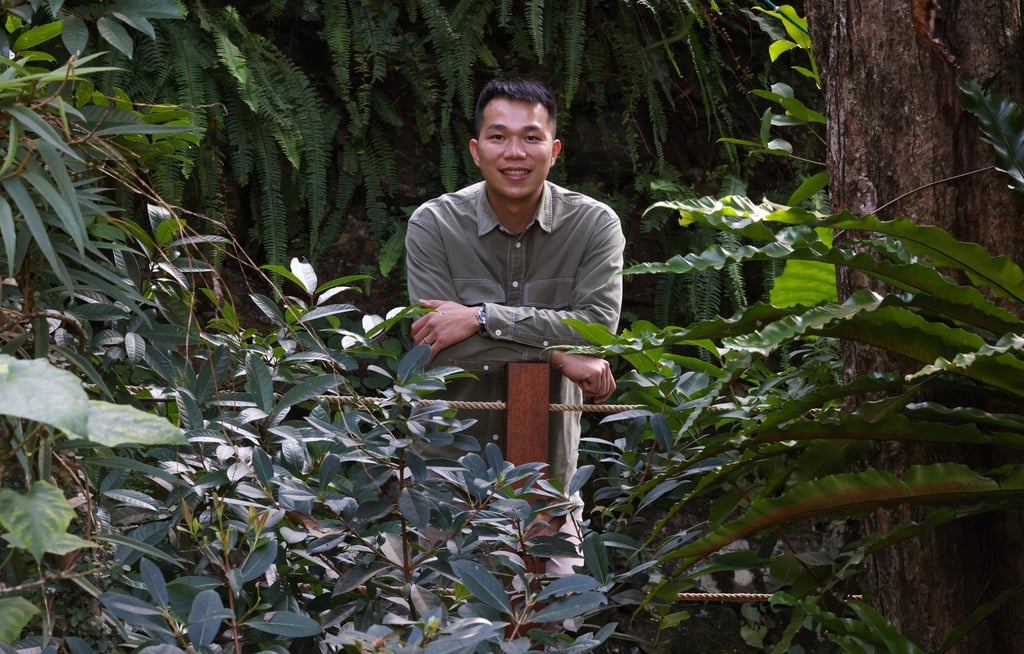
The survey was the first one conducted in the area including Hong Kong and mainland China. Yang and his team used 19 camera traps to study the farm’s biodiversity from June 2020 to May 2021.