1,000 Hong Kong couples to be eligible for free genetic screening under plan to curb recurrent miscarriages, fetal maldevelopment
- New scheme aims to help more local couples who carry genetic diseases be aware of underlying conditions that may cause disabilities in newborns
- Couples must fulfil one of six criteria to be eligible for joint initiative by Chinese University and Family Planning Association that opens for applications next Friday

Hongkongers who have suffered recurrent miscarriages or fetal maldevelopment in their children will be among about 1,000 couples eligible for free screening and counselling in a new scheme set up by Chinese University and the Family Planning Association.
The programme, which opens for application from next Friday, aims to help more local couples who carry genetic diseases be aware of their underlying conditions that may cause disabilities in their children.
“We hope this programme will … bridge the service gap, especially for those underprivileged groups who cannot afford the services even if they are at high risk,” said Professor Leung Tak-yeung from the university’s department of obstetrics and gynaecology, which co-organises the scheme.
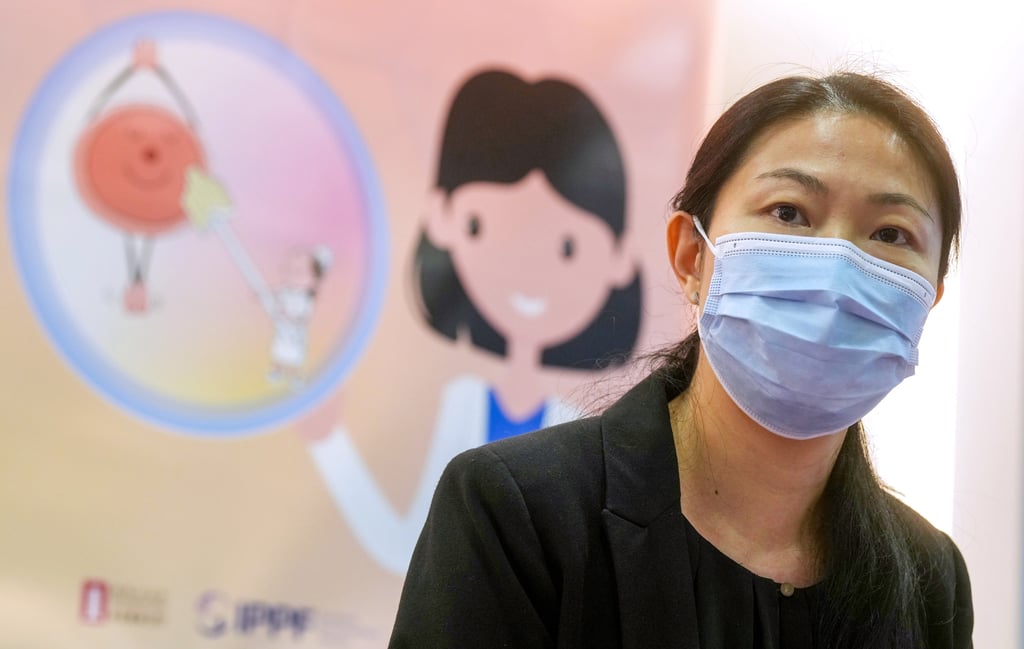
The Family Planning Association will help process applications and carry out initial assessments in its clinics across the city.
The programme will run for three years and help about 1,000 couples a year.
Eligible couples must be Hong Kong ID card holders above the age of 18, who are planning a pregnancy and fulfil one of six criteria. They include experience of at least two miscarriages or repeated fetal malformations or disabilities; previous unexplained fetal or neonatal conditions; and marriage involving first or second-degree relatives.
The other three criteria are a family history of intellectual disabilities, miscarriage or malformation; having high-risk factors for genetic disorders; and belonging to an ethnic group known to be susceptible to monogenic diseases.