Potential Hong Kong ban on Japanese seafood imports could cover more than 5 initial prefectures affected by Fukushima disaster
- Environment secretary Tse Chin-wan says authorities will step up food screening, but warns process could affect product freshness as goods are held longer
- Remarks centre on controversial plan by Japan to discharge potentially radioactive waste water into sea

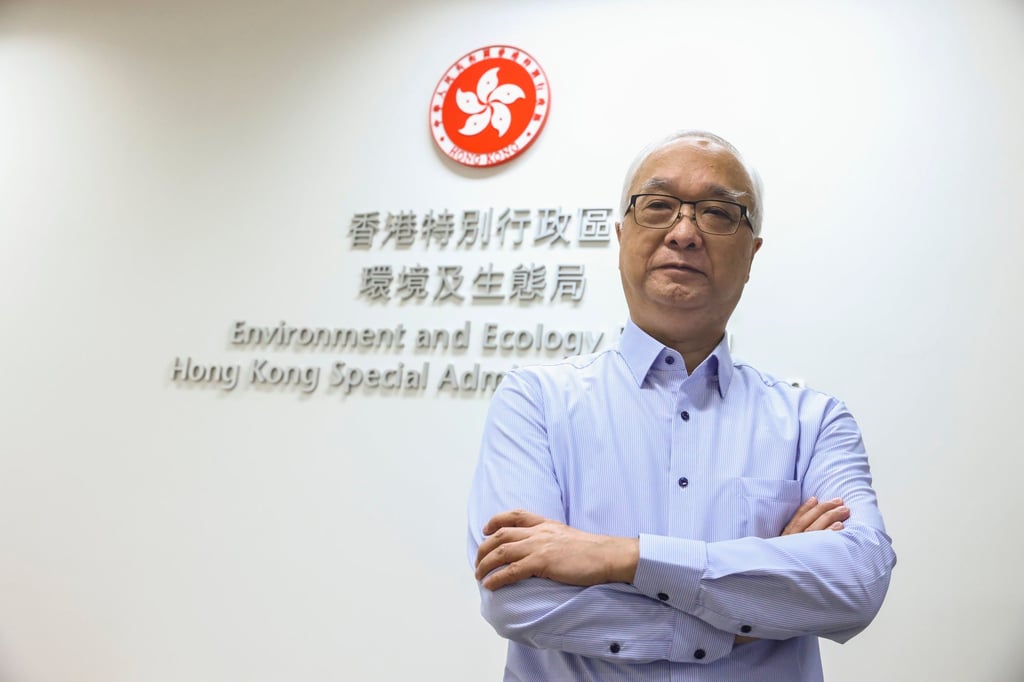
Hong Kong’s environment minister on Sunday warned that a potential ban on contaminated Japanese seafood imports could cover more than five prefectures already under restrictions, adding city authorities would boost screening resources.
Secretary for Environment and Ecology Tse Chin-wan told a television programme that the exact location and number of banned import areas in Japan depended on test results from the International Atomic Energy Agency.
“The prefectures we ban this time could be different from previous ones,” he said. “Our initial focus was on agricultural products. This time our focus is on seafood, so it may involve many prefectures along the coast.”
The bans revolve around Japan’s Fukushima nuclear disaster caused by an earthquake in 2011. The Hong Kong government has in the aftermath maintained import restrictions and bans on agricultural products from the area and four neighbouring prefectures.
Tse on Sunday stressed that the potential ban might not involve the same five prefectures as in 2011, with the government awaiting the release of a report by the atomic agency before deciding on the final scope of restrictions.
Japan earlier announced that it would release waste water from the Fukushima Daiichi power plant into the sea this summer, sparking global concern over the potential risks of importing seafood from the area.
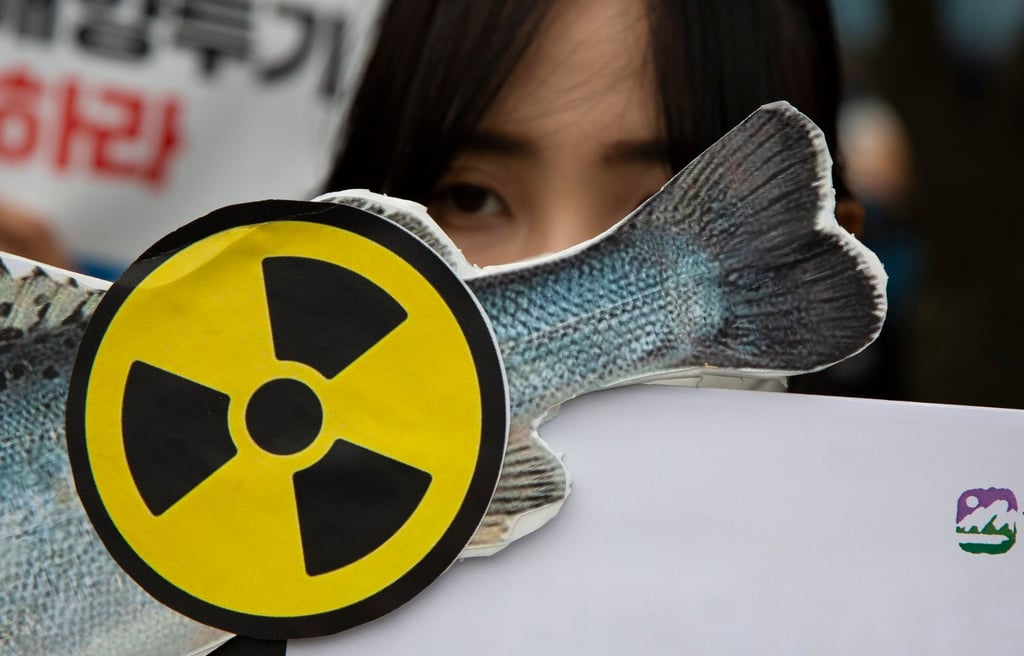
Concerns intensified last week when Japanese media reported that a fish caught near the nuclear power plant in May contained 180 times the maximum amount of the radioactive element caesium allowed under Japan’s food safety laws.
Tse earlier warned in a strongly worded opinion piece that the city would place further restrictions on Japanese food imports if the country proceeded with the disposal.