Environmental impact report on Hong Kong border project misidentified birds, but no plans to redo assessment
- Environmental Protection Department confirms mistakes made by Civil Engineering and Development Department in report for San Tin Technopole
- Preliminary investigation showed consultant hired by civil engineering department tagged two bird species with incorrect photos due to ‘editing issues’ in attachment

Hong Kong development authorities misidentified birds in its environmental impact assessment report for a proposed innovation and technology (I&T) hub near the city’s border with mainland China.
The Environmental Protection Department confirmed on Friday the mistakes made by the Civil Engineering and Development Department in the report for the San Tin Technopole, a day after the Hong Kong Bird Watching Society stated the error on social media.
“We have requested the [civil engineering department] to submit a report within a week to explain in detail the cause of the incident and follow-up work,” the Environmental Protection Department said.
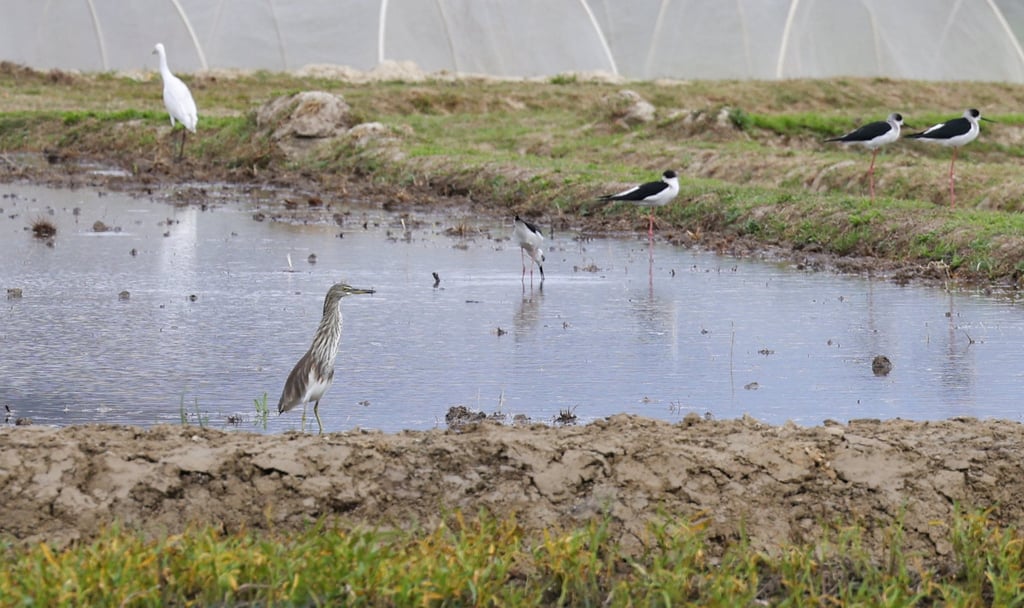
Preliminary investigation showed that the consultant hired by the civil engineering department tagged two bird species, the Marsh Sandpiper and Little Stint, with incorrect photos due to “editing issues” in an attachment.
The San Tin Technopole will take up 610 hectares (1,507 acres), with about half earmarked for innovation and technology use. The rest of the area will be a new town centre, yielding up to 54,000 flats.
Environmental authorities said the civil engineering department would file the amended document, but it did not respond to the green group’s demand of redoing the entire report, citing the assessment’s technical memorandum.
“In case the report requires certain amendments but such amendments will not affect the validity of the assessment and the overall results and conclusions of the report, there is no need to resubmit it,” the Environmental Protection Department said.
It added that the public could raise opinions regarding the report by March 2, which the director of environmental protection would consider before making a final decision.