‘Significant discovery’: Hong Kong study identifies certain bacteria as risk factor for stomach cancer
- Researchers from CUHK faculty of medicine discover a certain type of bacteria is pathogen of gastric cancer, as it can kickstart tumour growth
- ‘We believe this bacteria is an accomplice, or even a fatal factor … this bacteria alone can still increase the risk of developing stomach cancer,’ expert says

A Hong Kong study has found that a certain type of bacteria is a risk factor for stomach cancer, a discovery that could shed light on possible clinical interventions in the future.
Researchers from the faculty of medicine of the Chinese University of Hong Kong (CUHK) on Wednesday said they had discovered that Streptococcus anginosus, or S. anginosus, was a pathogen of gastric cancer as it could kickstart tumour growth.
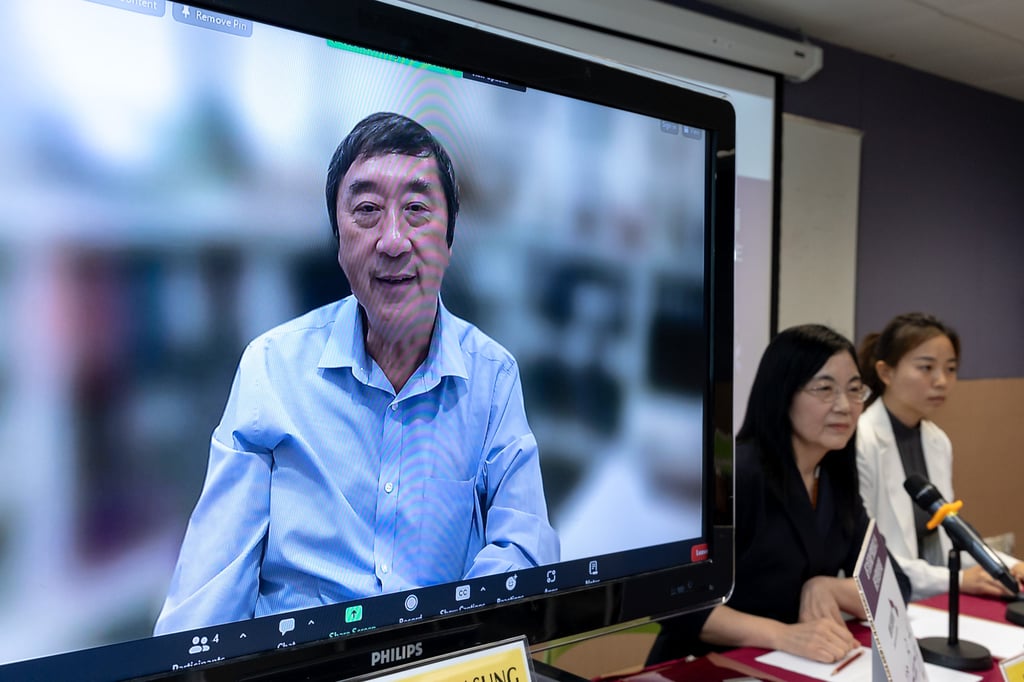
Professor Joseph Sung Jao-yiu, co-corresponding author of the study and CUHK emeritus professor of medicine, called the discovery “significant” because while previous research showed that Helicobacter pylori, or H. pylori, infection and genetics were major risk factors for gastric cancer, whether other bacteria could also lead to the disease had remained unknown.
“People with only H. pylori infection are two to three times more likely to have gastric cancer compared with those without the infection,” said Sung, who is also the senior vice-president at Nanyang Technological University in Singapore and former CUHK vice-chancellor.
“Being infected with both H. pylori and S. anginosus can further increase the risks, but since our study was conducted on mice, I cannot provide an exact figure. But based on our study, it can be estimated that the risks can increase by an additional two to three times.”
The study was published in Cell, one of the world’s top biology journals, last month, becoming the first study led by CUHK investigators to be featured.