Task Force on Land Supply says no to reclaiming part of Hong Kong’s second largest reservoir
- Proposal to reclaim land at Plover Cove Reservoir was floated by one member of task force but was deeply unpopular with the public
- The force said the option would cause ‘much potential impact and risk on various fronts’ such as water supply, environmental protection and high cost

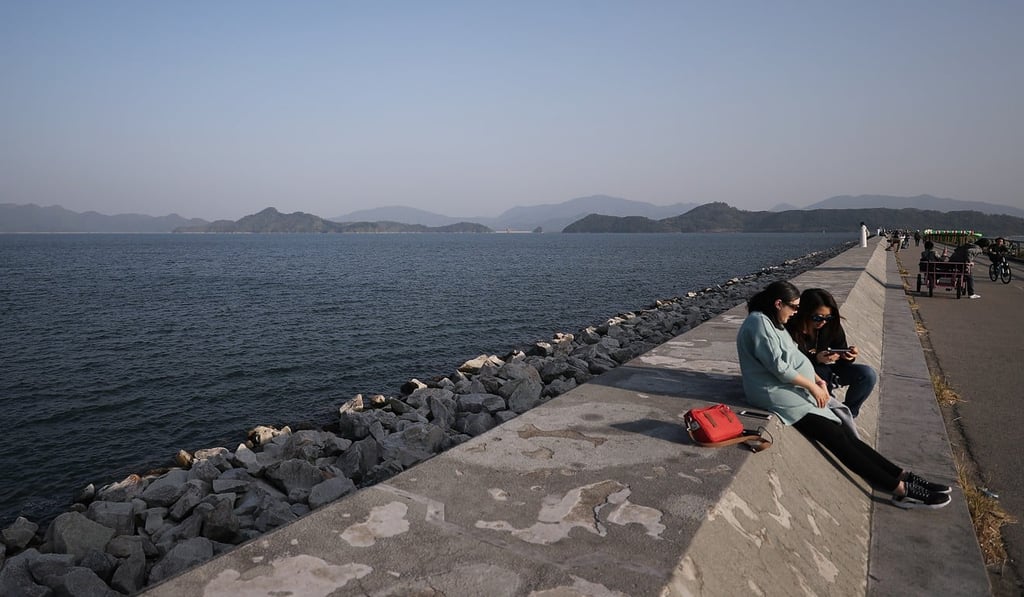
An ambitious proposal to reclaim part of Hong Kong’s second largest reservoir has been rejected outright by a government-appointed task force on land supply.
In addition to eight recommended land supply options, including a controversial proposal to build massive artificial islands to the east of Lantau Island, the task force also put nine options at lower priority and rejected the option of reclaiming part of Plover Cove Reservoir.
In its report, the Plover Cove option, floated by one real estate professor who sat on the task force, received the lowest public support – 16 per cent and 23 per cent respectively in a questionnaire survey and a telephone survey.
The force said the option would cause “much potential impact and risk on various fronts” such as water supply, environmental protection and high cost.
Another controversial option, developing two peripheries of protected country parks, which was floated by the last administration, received 28 per cent and 53 per cent public support in questionnaire and phone surveys.
The force said the option involved many hurdles such as environmental impact and legal challenges, and suggested the government conduct scientific analyses and consider a compensation mechanism before any development proposals.