Coronavirus, protests, trade war: can Paul Chan’s budget be the antidote to the triple blow to Hong Kong’s economy?
- Eye-catching package could provide immediate relief, but analysts worry about long-term sustainability of running large deficits
- Only half those who received the cash handouts of 2011 used them for domestic consumption, one expert points out

Confronted by what he described as “unique circumstances”, Hong Kong’s finance minister unveiled a big-spending budget on Wednesday that included a major cash handout and generous measures for all businesses.
Will it do the job of lifting the economy out of its current doldrums, after being pummelled by the triple threat of the United States-China trade war, the months-long anti-government protests and the coronavirus outbreak?
At first blush, the HK$120 billion relief package is eye-catching and could provide some immediate benefit, but analysts sounded caution on several points that could undo its intended effect, and expressed worries about the long-term sustainability of running large deficits.
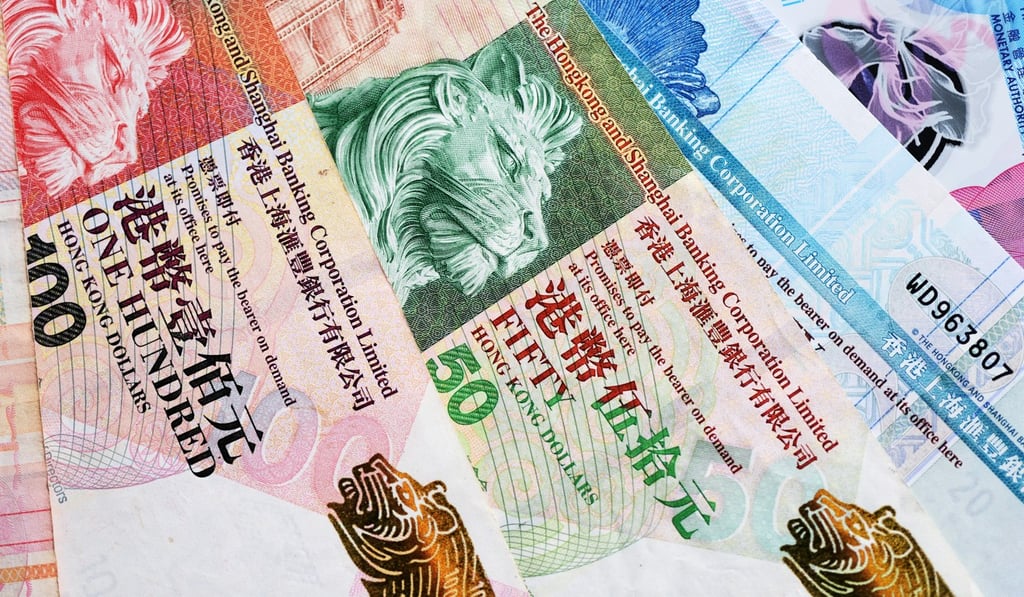
Thus, there was a need for an “exceptional measure taken in the light of the current unique circumstances”, Chan said, as he announced a HK$10,000 cash handout to permanent residents aged 18 or above. The total bill: HK$71.1 billion (US$9.1 billion).
It was 77 per cent more than the HK$40 billion in cash that Chan’s predecessor, John Tsang Chun-wah, dished out in 2011.
On March 2 of that year, Tsang gave a handout of HK$6,000 to each permanent resident. The initiative replaced his original plan to inject the same amount into 4 million Mandatory Provident Fund accounts, which he had unveiled in his budget speech two weeks earlier.