In rare, ‘significant’ move, Hong Kong judiciary appoints two judges to hear legal challenges against anti-mask law
- This has never happened in recent years, even in high-profile cases centred on constitutional matters
- Since anti-mask law came into force two weeks ago, six legal challenges against it have been lodged

In a rare move, Hong Kong’s judiciary has appointed two judges to hear legal challenges against the government’s use of colonial-era emergency laws to quell the ongoing protest crisis, according to sources.
Since the anti-mask legislation came into force two weeks ago, banning people from wearing masks at illegal and authorised rallies, six judicial challenges have been lodged – five from pro-democracy activists and one from legislators.
The Post was told that two judges, Godfrey Lam Wan-ho and Anderson Chow Ka-ming, were appointed to deal with two of the legal bids at the Court of First Instance, to be heard on October 31 in a two-day proceeding.
Although the two-judge arrangement is not unprecedented, it is rare, according to legal experts. It has not been used in recent years, even in high-profile constitutional cases. The decision to pair judges reflected the significance of the pending challenges, the sources said.
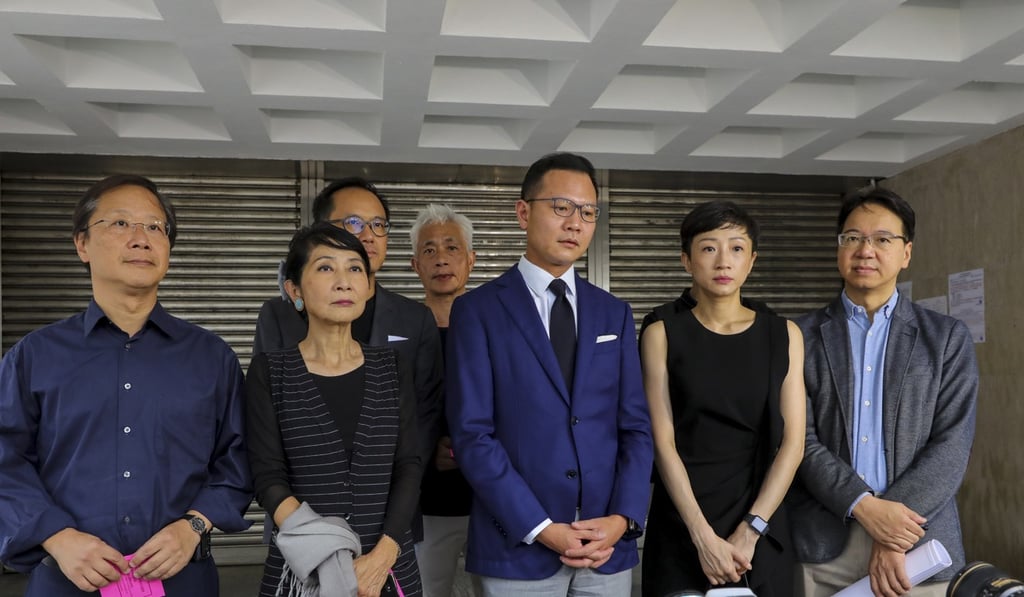
“This is an arrangement made by the court and it showed how important the matter is,” pro-democracy lawmaker Dennis Kwok, who led other legislators in filing one of cases, said. Kwok, a barrister, represents the legal functional constituency.
Ronny Tong Ka-wah SC, a member of the government’s top advisory body the Executive Council, said the two-judge bench was known as a “divisional court”, usually called for important cases.