Explainer | As Hong Kong police shift media guidelines, who will they recognise as journalists and what does it mean for those they do not?
- Local media associations and university journalism schools have decried revamped rules as a threat to the city’s press freedom
- But police point to numerous instances of ‘self-proclaimed’ reporters obstructing their work in the past year

The decision by Hong Kong police to limit access to restricted areas and press briefings to outlets registered with the government or internationally recognised media has sparked an outcry in the industry.
Under the rules, which took effect on Wednesday, police will no longer recognise press accreditations issued by local media groups or journalist associations, unless the reporters are working for outlets registered with the government’s Information Services Department or reputable news organisations.
Press associations and Hong Kong journalism schools alike have blasted the access restrictions, warning of a threat to the city’s press freedom, with one union so far threatening legal action.
Here is what you need to know about how and why the rule was changed, as well as the likely impact of the revision.
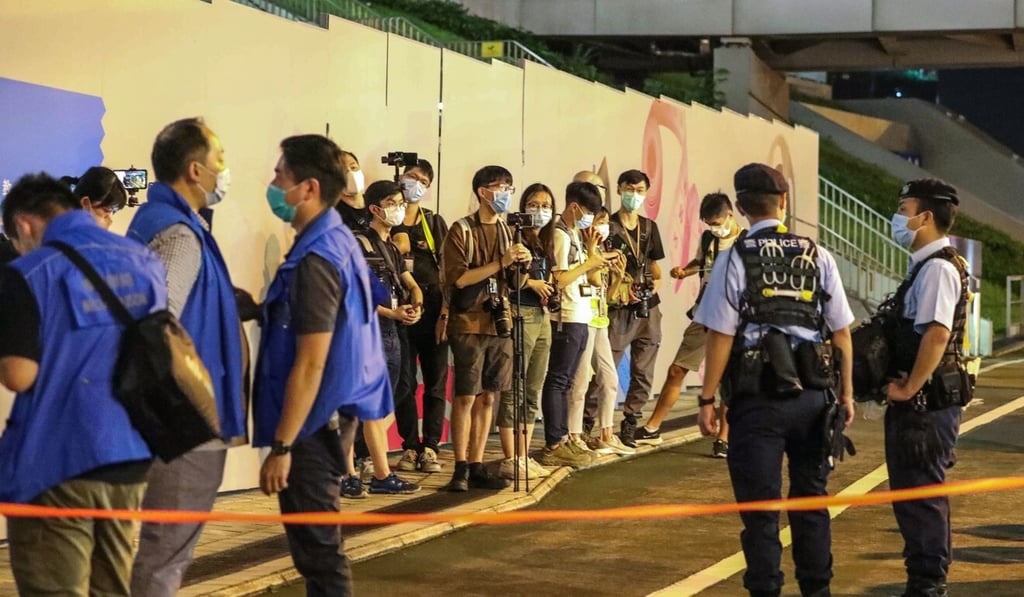
Who are regarded as ‘media representatives’ now?
Police General Orders Chapter 39, which gives guidelines on public and media relations, previously stated that “all officers at the scene” shall facilitate the work of news media as much as possible and accord media representatives consideration and courtesy, while not blocking camera lenses. While the language in the updated version offers nearly identical guidelines, they are now preceded by the caveat that it be done “without compromising operational efficiency”.