US adds national security law to list of concerns as Hong Kong left on annual human-trafficking report’s ‘watch list’
- But the city government on Friday blasted the report, saying the law’s parameters were clear and dismissing the notion it had served to cow local civil society
- The 2021 edition also once again took issue with the administration’s failure to pass legislation specifically targeting the crime

Shortly after Friday’s release of the United States Trafficking in Persons Report 2021, the Hong Kong government hit back, calling Washington biased and denying the Beijing-imposed legislation had impacted its commitment to combating cross-border crime.
The US State Department releases its findings annually, last year moving the city from its tier 2 status to the tier 2 “watch list” – one above tier 3, the lowest grade possible – citing its failure to pass specific laws targeting the crime and the sluggishness of its investigative efforts.
While the 2021 report once again identified those factors as a problem, it also made specific reference to the sweeping new security law targeting acts of secession, subversion, terrorism and collusion with foreign forces.
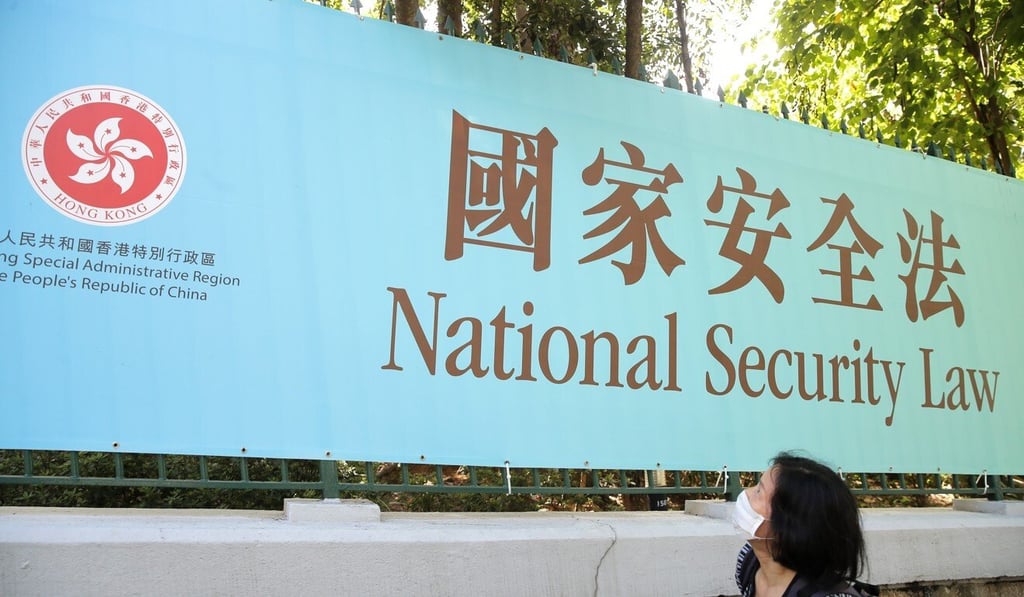
“Following the imposition of the national security law by the Chinese National People’s Congress on Hong Kong in June 2020, under which any speech critical of the government or its policies could be construed as pro-secession, subversive, or inciting hate against the government, along with increased restrictions to freedom of expression, NGOs and other civil society organisations were less willing to engage with the government, including on human trafficking,” the report states.