1 in 5 arrests by Hong Kong’s national security police made under colonial-era sedition offence instead of 4 crimes laid out in Beijing-imposed law
- Growing trend in use of sedition charges in recent months, with allegations centred on list of acts and speech deemed problematic
- Authorities use sweeping powers under national security legislation to enforce sedition law, which has low threshold for arrest and lighter jail terms for convictions
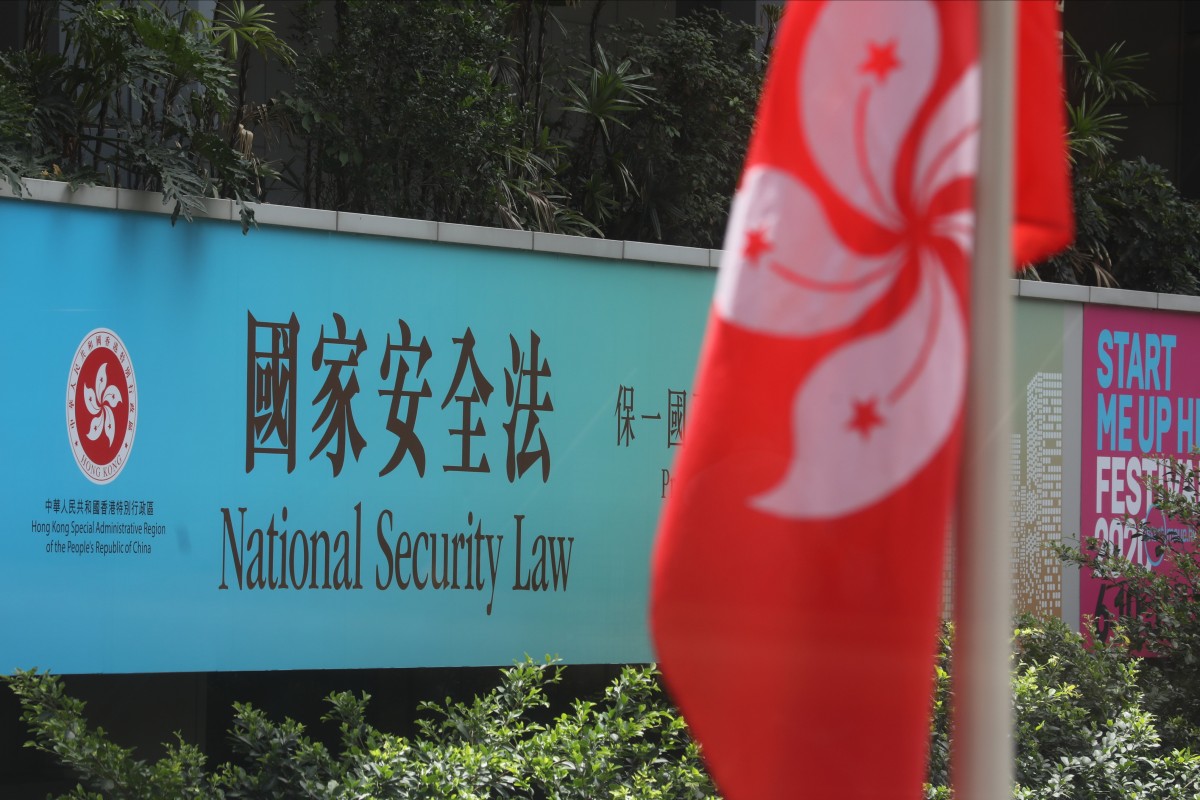
There has also been a growing trend of sedition charges used in recent months, with allegations centred on a list of acts and speech deemed problematic by authorities.
Police investigating sedition offences have recourse to many of the same powers conferred on them by the national security law. Officers have the same lower threshold of evidence they must meet to conduct raids, and they have the power to seize a suspect’s passport without judicial approval, while the accused face a higher standard in obtaining bail.
But the penalties imposed on the convicted are vastly different: sedition under the Crimes Ordinance carries a maximum sentence of two years in jail for a first offence, and three years for a subsequent one, while national security offenders can be imprisoned for life.
Legal experts cautioned that the frequent application of the sedition law could erode free speech, and it was disproportionate to apply the standards of the national security law to suspects accused of the lesser charge.
Police told the Post they had arrested 201 individuals, 155 men and 46 women aged between 15 and 90, for allegedly endangering national security as of last Thursday, as Hong Kong marked two years since the law was implemented on June 30, 2020. The police’s National Security Department has been the lead enforcer.