More than half of Hong Kong protesters convicted over roles in anti-government demonstrations have ‘deep remorse’, security chief says
- ‘They feel that they have been used by others to break the law,’ Secretary for Security Chris Tang says
- Some prisoners were asked to learn Chinese history and employers were hoping to hire them for work in Greater Bay Area after their release, he added

More than half of the protesters convicted for their roles in Hong Kong’s 2019 anti-government demonstrations have expressed “deep remorse” over their actions, the security minister has revealed, adding they are unlikely to reoffend.
Secretary for Security Chris Tang Ping-keung on Sunday also said authorities had asked some of the prisoners to learn Chinese history and a number of employers were hoping to hire them for work in the Greater Bay Area after their release from jail.
“They feel that they have been used by others to break the law because of the social atmosphere at that time or for the good of society,” he said. “I believe their chances of reoffending are relatively low.”
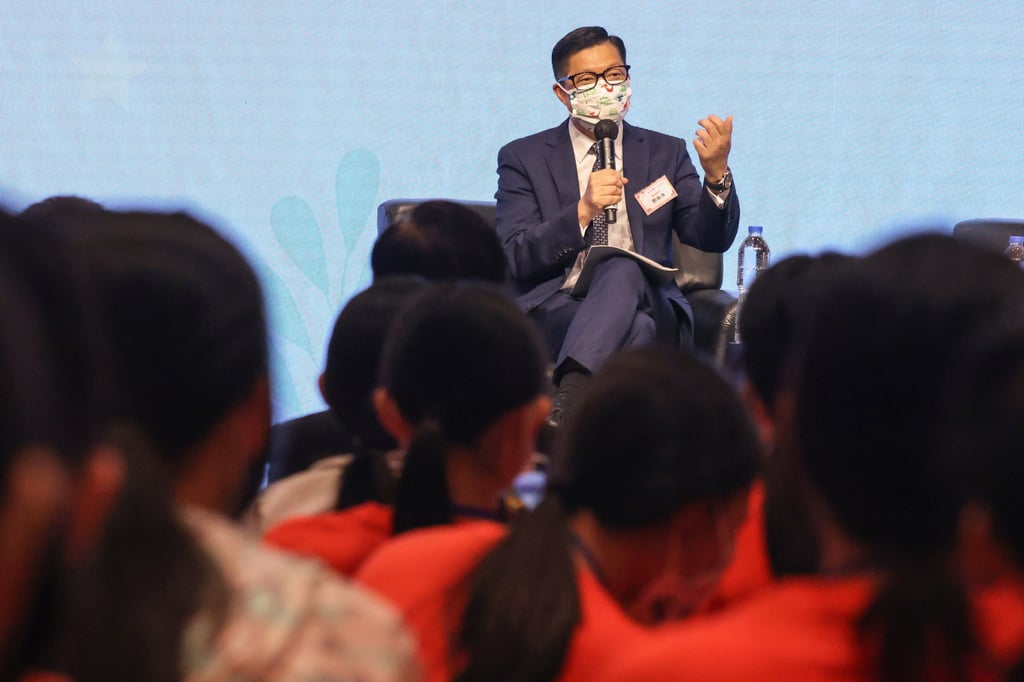
According to Tang, 60 to 70 per cent of prisoners convicted of protest-related charges had expressed remorse over taking part in the social unrest, triggered by an extradition law the government proposed and then eventually abandoned. Two in three of the roughly 3,000 people prosecuted for related offences had completed their trials and about 80 per cent had been convicted, the minister said during a TV interview.
About 700 prisoners convicted of rioting were serving a jail sentence ranging from 2½ to seven years, he added.
The security chief said many of those convicted were students at the time of their crimes and authorities were discussing ways to resume their studies behind bars with the Education Bureau and other institutions.
Some young prisoners were also given tablet computers installed with learning materials and offered Chinese history lessons to improve their understanding of the country’s development.