Hong Kong should not take hard line on ‘soft resistance’, law professor says
- Legal academic Albert Chen tells Foreign Correspondents’ Club discussion panel no need to get tough if only opposing views or ‘wrong opinions’ involved
- Chen says government should use its resources to counter ‘wrong view of history’ through classroom education and public campaigns

Hong Kong should not take a hard line on “soft resistance” to the government if it only involves opposing views or “wrong opinions” about mainland China, a leading legal academic has said.
Albert Chen Hung-yee, a Hong Kong University law professor and former Basic Law Committee member, was speaking on Tuesday, a day after Secretary for Security Chris Tang Ping-keung said the government had to take “full action” against soft resistance against authorities.
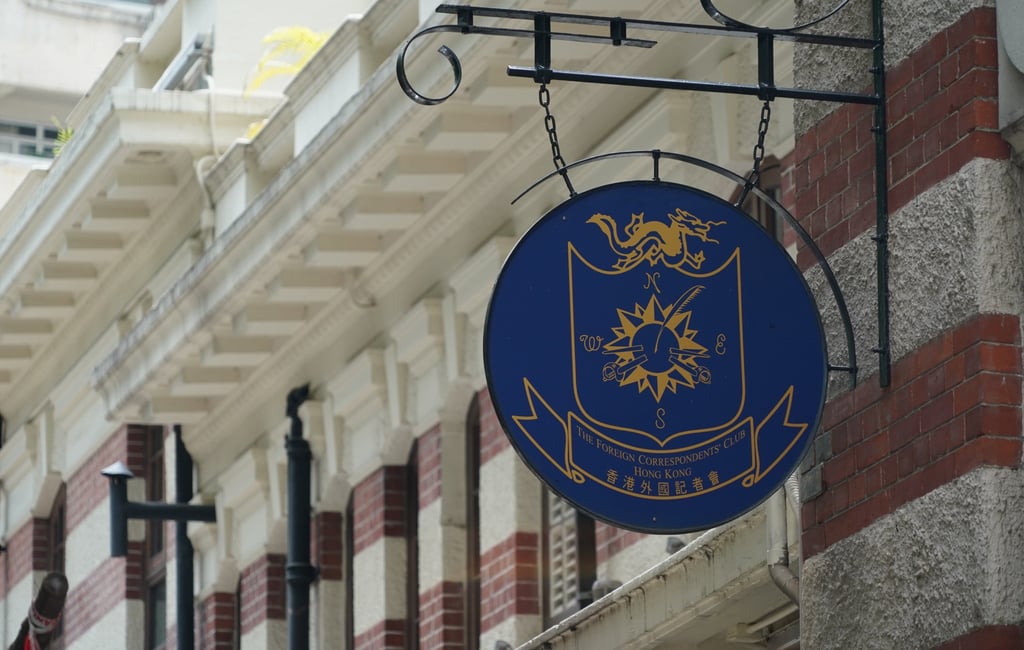
“So soft resistance … my own view is that the government should use its own means to counteract what it considers to be the wrong view of history, China or whatever, instead of using the law to do so,” Chen said at a discussion panel at the Foreign Correspondents’ Club (FCC).
Chen admitted he did not know how soft resistance would be defined, but said the general legal principle was that criminal law should not be used to police people’s speech or thoughts just because the authorities disliked them.