Binding power of decisions by China’s top legislative body on Hong Kong still open to debate despite court ruling on joint checkpoint, legal experts say
- Justice Anderson Chow rules that allowing mainland Chinese laws to be enforced at West Kowloon rail terminus is legally sound
- But Chow says as first judge hearing case, it is not for him to rule on binding power of National People’s Congress Standing Committee decision

The National People’s Congress Standing Committee (NPCSC) endorsed the plan to operate a joint checkpoint, where travellers get their documents checked by Hong Kong and mainland officials in one place, rather than in the city as well as on the mainland.
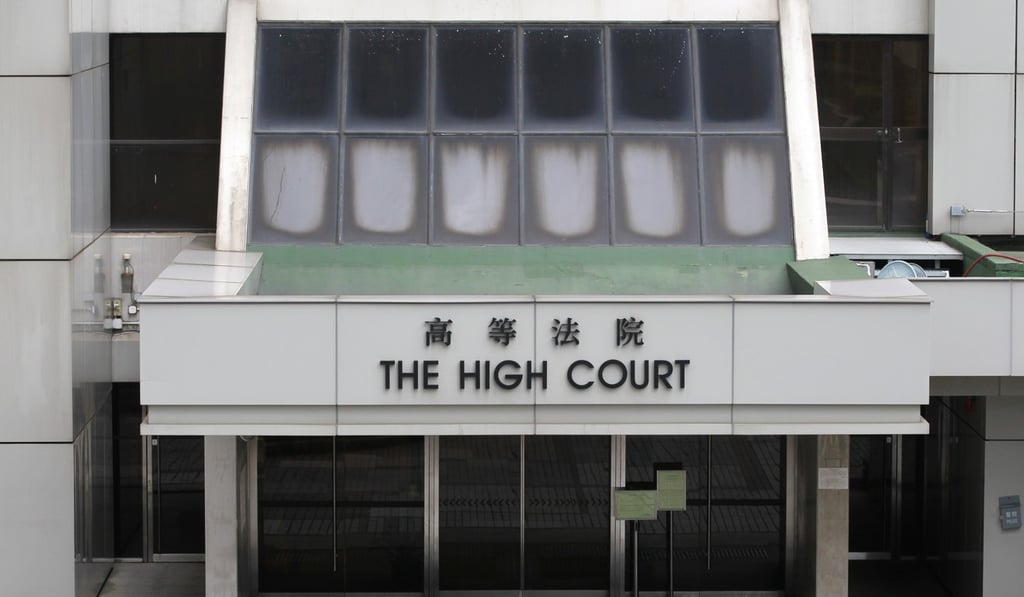
In ruling the arrangement constitutional on Thursday, High Court judge Mr Justice Anderson Chow Ka-ming did not address the bigger question of whether the NPCSC decision was binding on the Hong Kong government and the courts.
The constitutional debate was sparked after the NPCSC approved the so-called co-location arrangement in December 2017, giving mainland officials unprecedented jurisdiction over a part of the terminus in the heart of Hong Kong.
While Chow found the NPCSC decision to be of “high persuasive value”, he said that as the first judge hearing the case, it was not for him to rule on its binding power.