Hong Kong’s controversial extradition bill may be ‘dead’ but city leader Carrie Lam still unable to win over her critics
- Lam describes government’s work in amending law as ‘complete failure’
- Opponents dismiss latest attempt at defusing crisis that has rocked Hong Kong, accusing the chief executive of engaging in semantics and being insincere
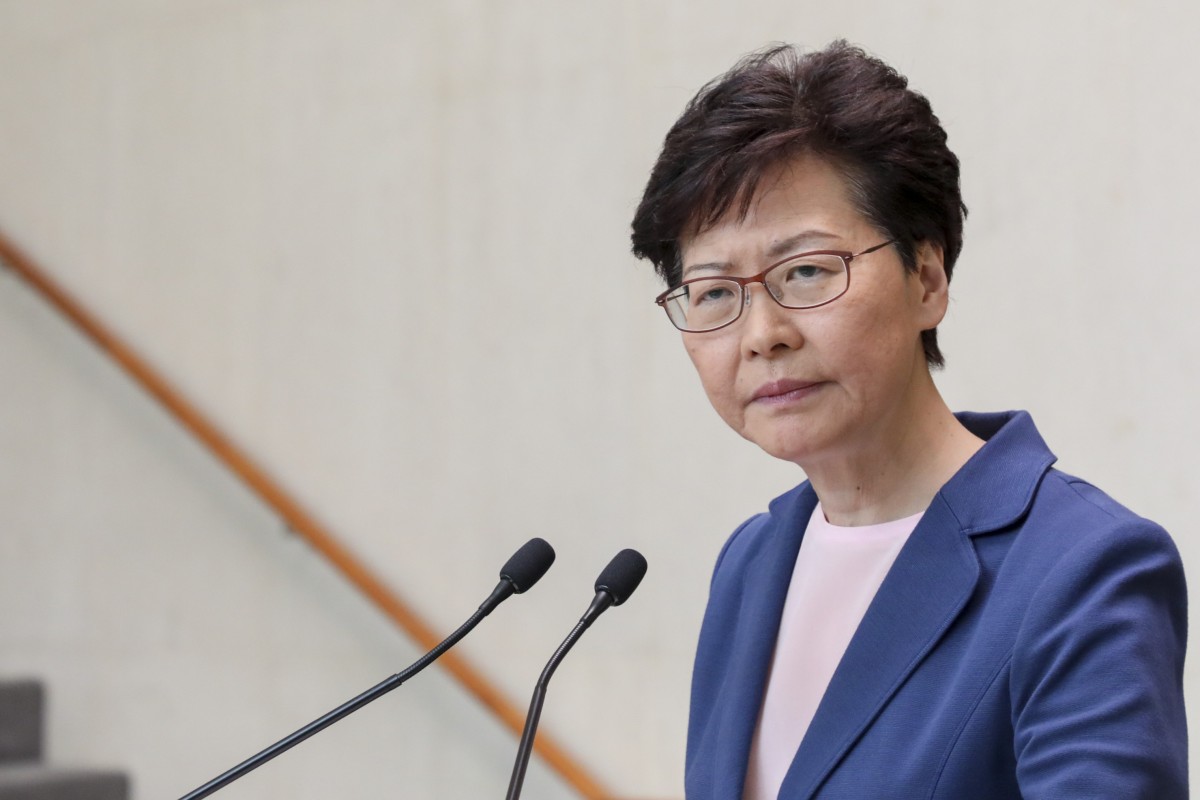
Hong Kong’s embattled leader Carrie Lam Cheng Yuet-ngor made her strongest peace offering to protesters yet on Tuesday when she declared the highly unpopular extradition bill to be “dead”, but critics nevertheless condemned her for failing to meet their demands, dampening any hope of reconciliation in a divided city.
Demonstrators who had taken to the streets in mass protests over the past month had demanded a full withdrawal of the controversial legislation but Lam refused to use the word “withdraw”, insisting her latest words were in effect stronger.
Addressing the media before her weekly meeting with her advisers in the Executive Council, Lam also admitted her government’s groundwork on the bill had been a “complete failure”.
But pan-democrats and protesters immediately dismissed her latest attempt at defusing the crisis that has rocked the city for more than a month, accusing her of engaging in semantics and being insincere in rejecting their call for an independent inquiry into police action over violent clashes.
In some sense, even if the bill is withdrawn today, it can be retabled at Legco within three months
Pro-establishment lawmakers, however, appealed to people to move on rather than be dragged down by an argument over how to word the killing of a bill.
In her first media briefing since a 4am appearance on July 2 following the storming of the Legislative Council by protesters, the chief executive acknowledged there was a lingering fear the government could restart the amendment process within Legco’s current term, which ends in 2020.