Hong Kong protests: from throwing bricks at police vans to becoming experts at putting out tear gas, meet the teenagers who are risking it all for their ideals
- Tens of thousands of teenagers study hard during the week and then give up their weekends to press on with the protests, risking injury and arrest
- Lunch and pocket money are saved to buy protest gear and hobbies have to wait while the young of Hong Kong invest their efforts in their vision of better future for the city
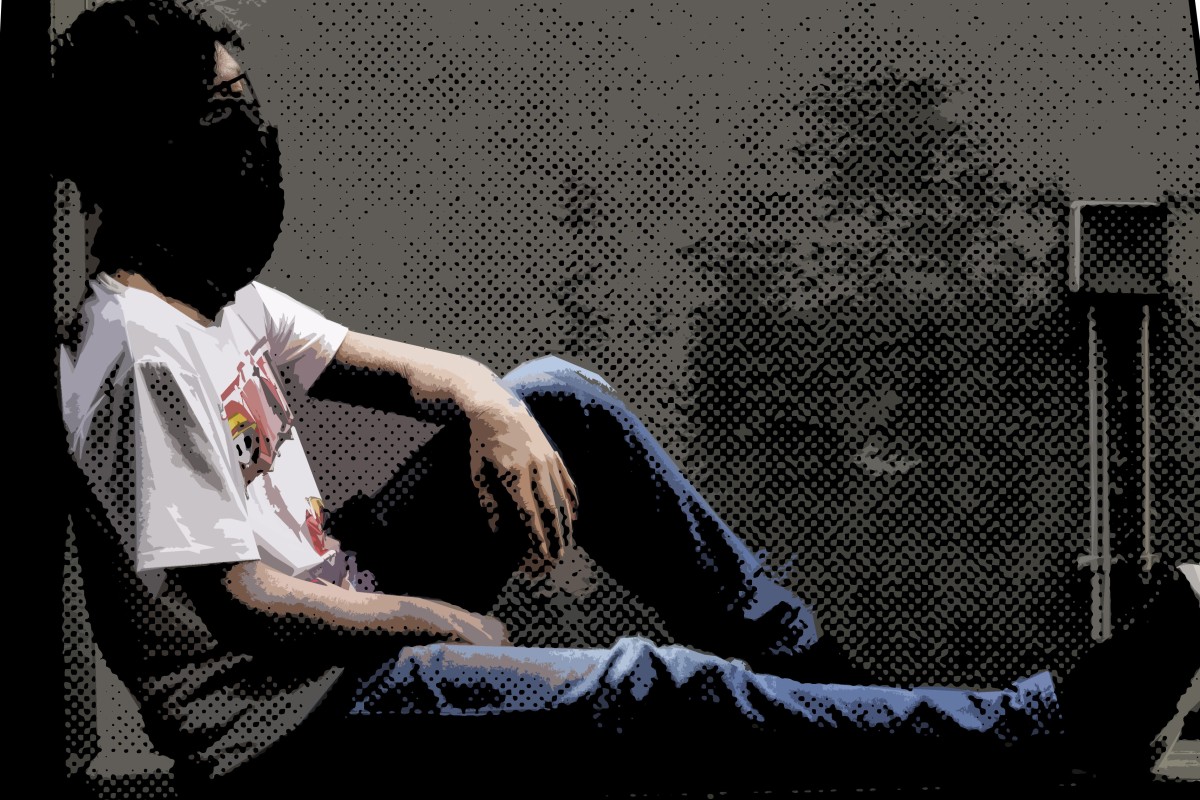
On weekends, Sophia never leaves home without a collapsible grey bucket in her backpack. It is not that she is an avid gardener or needs the pail for a picnic washing-up.
Sophia is a teenage tear gas soldier. During clashes with police, she swoops in with her bucket filled with water and coolly throws hot canisters into it using industrial gloves. Barely exchanging glances, her squad of two or four black-clad comrades moves in coordinated fashion to snuff out the rounds as they land. It is back-breaking work, given that police have so far fired more than 5,100 rounds over the past four and a half months.
Sometimes when she has time to look up and suss out the riot police on the other side, she flings a canister back at them. “I want to protect others as I know how painful it is to be gassed,” she said.
At 17, Sophia is one of the tens of thousands of teenagers who make up the backbone of the movement. They give up their weekends to press on with the protests, week after week, risking tear gas, beanbag rounds, rubber bullets, sponge-tipped pellets and the metal batons of the riot police. What about the arrests of more than 2,600 of their comrades and the injuries sustained by hundreds others? Bring it on, they seem to say.
University students have typically been at the forefront of social movements the world over. In Hong Kong, it has been no different – except that the undergraduates have been joined by spirited teenagers like Sophia. Secondary school students, some as young as 12, also fuel the protests with an idealism and innocence – if not naivete – that in turn draws sympathy, guilt and worry from older adults that young people could be trading their future for seemingly impossible dreams of democracy and a Hong Kong with its own distinct characteristics.
The fastest way to cool down a round [of tear gas] is to place the canister in a bottle and shake it with mud
Their yearnings, as revealed on social media, imagine a Hong Kong where people speak Cantonese, patronise family-run shops and not chain stores and pharmacies catering to mainland Chinese tourists, and care for one another as neighbours in close-knit communities. Maps and guides online provide a list of “yellow” restaurants and stores – the colour symbolising democracy in Hong Kong – that protesters should support.