ExplainerWhat is Hong Kong’s national security law?
- China’s legislators will discuss a new national security law specifically crafted for Hong Kong
- The issue has long been controversial in the city, despite the Basic Law requiring its enactment

Does Hong Kong need a national security law and why doesn't have one?
Under Article 23 of the Basic Law, or the city’s mini-constitution, the Hong Kong government must enact its own national security law prohibiting acts of “treason, secession, sedition, subversion against the central people’s government, or theft of state secrets … and to prohibit political organisations or bodies of the region from establishing ties with foreign political organisations or bodies”.
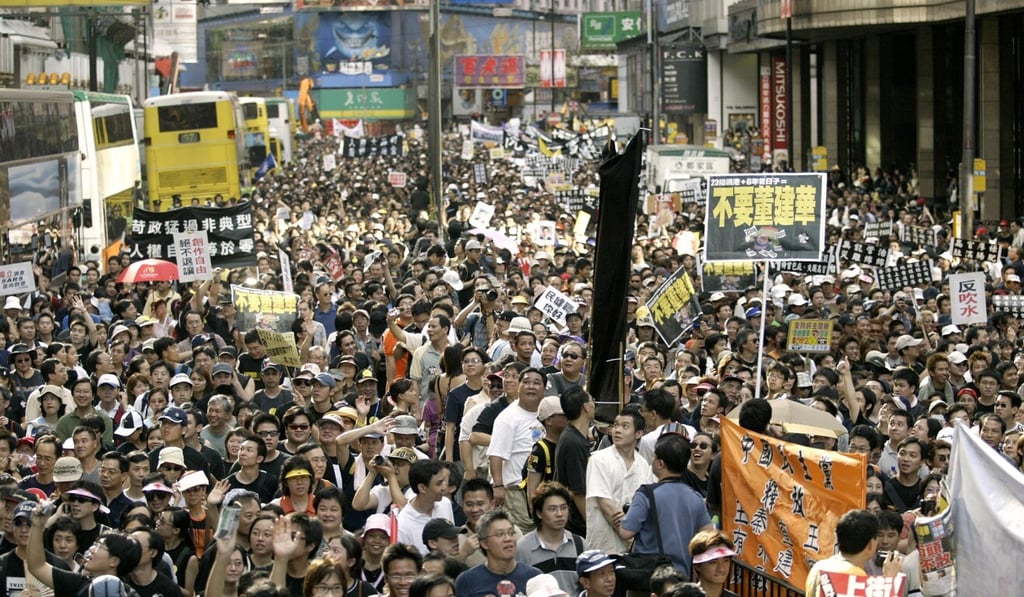
How has the issue developed since then?
The Hong Kong government has steered clear of introducing the legislation. After the 2014 Occupy Central protests, Hong Kong’s pro-Beijing politicians urged the city administration to consider reviving the Article 23 bill. National People’s Congress deputy Stanley Ng Chau-pei had suggested incorporating mainland China security laws into the Basic Law.
Since taking office as the city’s chief executive, Carrie Lam Cheng Yuet-ngor has repeatedly said that Article 23 legislation could only be enacted when the timing and the political atmosphere were right.