ExplainerHow Hong Kong ended up a pawn in US-China battleground – and Washington’s next move
- Coming up next: President Donald Trump expected to issue order, choosing from an array of possible sanctions
- Hong Kong protesters who lobbied hard for US support welcome Secretary of State Mike Pompeo’s shock announcement

While protesters in Hong Kong cheered the US announcement, hoping it will force Beijing to abandon its hardline approach to the city, businessmen fear the impact on the city’s reputation as an international financial centre. This is what the American position means, how it came about, and its possible implications.
Why is the US taking a position on Hong Kong’s autonomy?
Both the US-Hong Kong Policy Act of 1992 and the Hong Kong Human Rights and Democracy Act of 2019 require the US Secretary of State to certify to Congress every year that the city retains sufficient autonomy from Beijing to justify preferential trading terms from Washington. The US announcement this week reflects Pompeo’s current assessment.
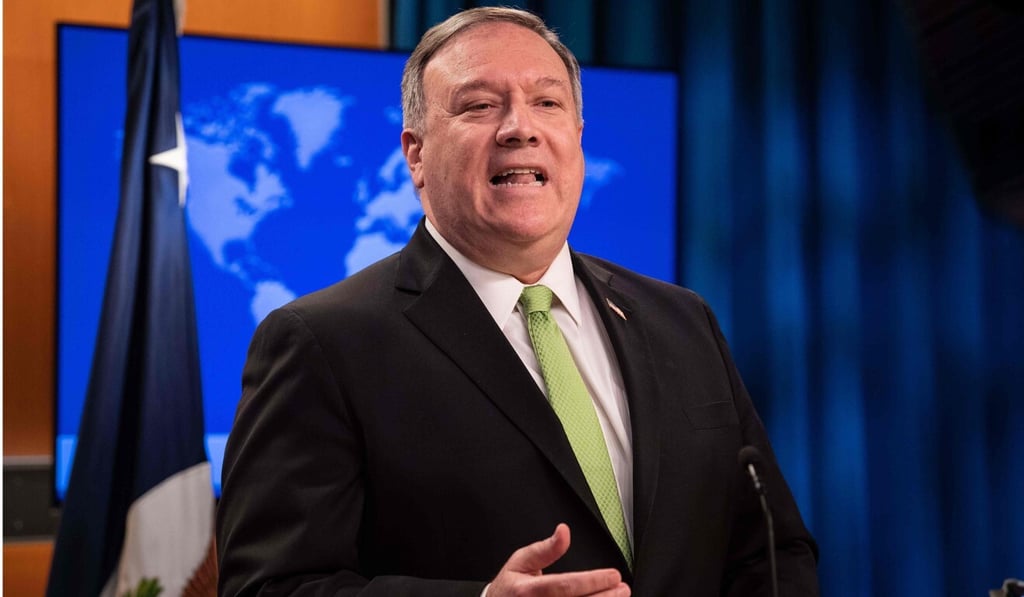
What did Pompeo cite as evidence of Hong Kong being no longer autonomous?
Pompeo had condemned the proposed law, saying it ignored the will of Hongkongers and would be a death knell for the high degree of autonomy Beijing promised under the Sino-British Joint Declaration, when Hong Kong was returned by Britain to China in 1997.