Beijing reserves right to handle ‘rare’ cases involving Hong Kong’s new national security law
- But direct control expected to be utilised in ‘very, very few’ instances, according to Hong Kong and Macau Affairs Office deputy director Deng Zhonghua
- Deng also stresses that new mainland security office in city is an ‘unequivocal demand’ of the government and will ‘supervise’ enforcement of the new law
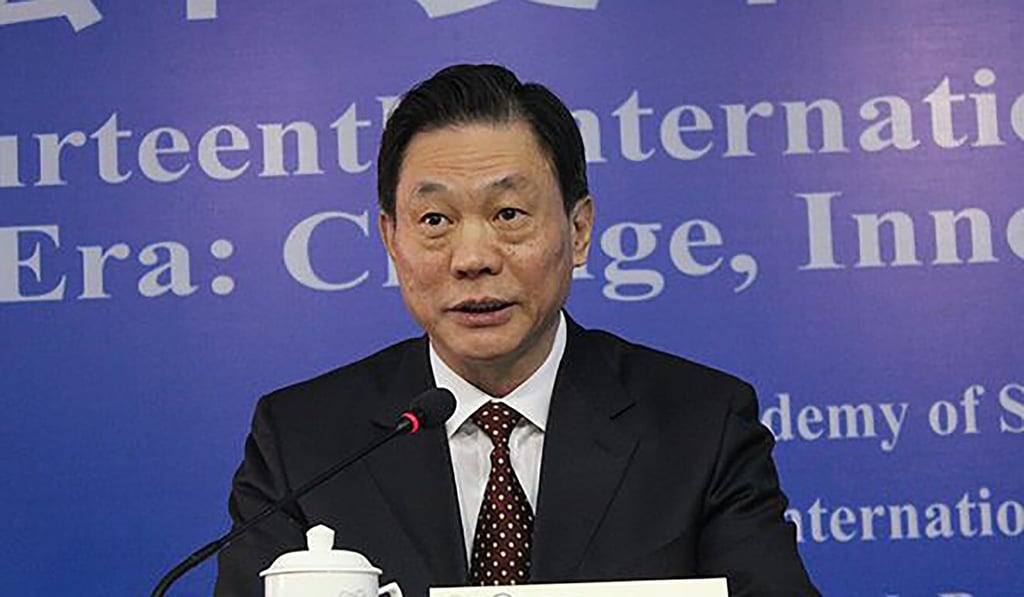
Deng Zhonghua, deputy director of the cabinet-level Hong Kong and Macau Affairs Office, stressed at a seminar in Shenzhen on Monday that such cases would be rare, and they would still be prosecuted according to the rule of law as upheld in Hong Kong.
In a further bid to ease persisting fears, he said while there were differences between the legal systems of Hong Kong and mainland China, both jurisdictions observed similar principles such as the presumption of innocence, proportionality between offences and penalties, and no retroactive effect.
But opposition lawmakers questioned what the exceptional cases Deng was referring to would be, raising fears that the law could be used to persecute Beijing’s critics and even have them tried across the border.
Deng’s statement marked the first time a mainland official has provided details of the framework of the new law, which is expected to be passed by the National People’s Congress (NPC) Standing Committee, the country’s top legislative body, as early as the end of this week.