National security law: facing disqualification, or worse, Hong Kong opposition groups head into uncertain election season
- Hopes for Legco triumph in September cloud over as new law introduces major potential hurdles for candidates from localist and pan-democrat camps
- Even if allowed to run, some predict ‘very cautious’ approach to campaigning when it comes to opposing government policies
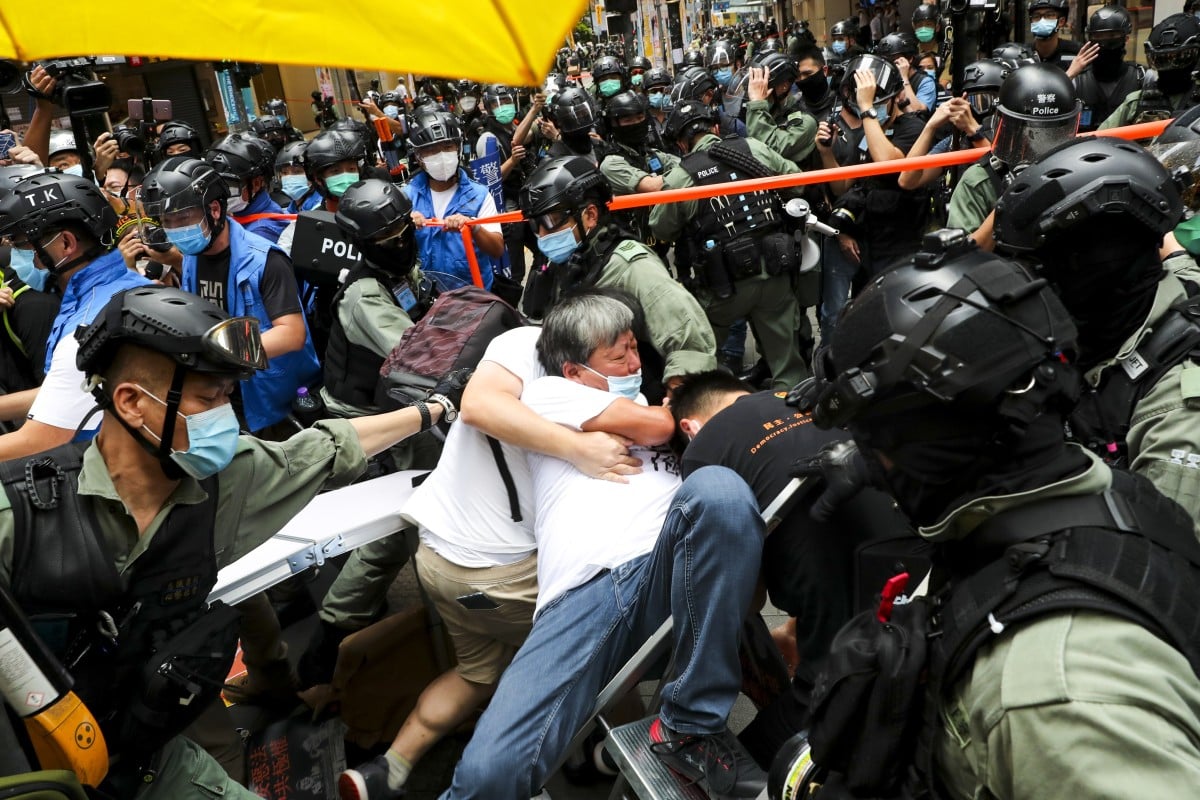
Analysts warned that even if mainland authorities choose not to wield their sweeping power against candidates who fail to demonstrate loyalty to the regime, the law’s ambiguity could create a chilling effect on their campaigns all the same.
I cannot simply say what acts or speeches will disqualify a person. The most important thing is to act according to the law
Tuesday’s passage of the law, which criminalises secession, subversion, terrorism and collusion with foreign forces, and includes penalties of up to life in prison, was accompanied by near-immediate changes to the city’s vibrant political landscape.
Localists, an emerging force in Hong Kong politics in recent years, suffered the first blow, as activist group Demosisto and seven other groups that had advocated for self-determination or independence disbanded local operations or shifted overseas before the law even took effect.
Hong Kong national security law full text
But that public step back cannot fully allay their concerns, as the stiffer-than-expected law covers not only activities in Hong Kong but actions outside the territory, including those taken by non-permanent residents, according to Article 38.