National security law: constrained freedoms, compromised sources among worries confronting Hong Kong media sector
- ‘When the red line is unclear and moving according to political needs, media organisations may self-censor,’ chair of Hong Kong journalist body says
- NGOs, meanwhile, are left to wonder if lobbying against legislation could be seen as ‘disrupting’ the government’s duties, now a crime

They also warned that under Article 9 of the new legislation, local authorities are granted supervisory powers over the local media industry, a field previously free of control and fiercely protected under the Basic Law.
Chris Yeung Kin-hing, chairman of the Hong Kong Journalists Association, said on Thursday that he worried local journalists could be prosecuted when reporting on issues thought to be related to national security.
“Under the categories of crimes of secession, subversion, and terrorism, there are references saying that any incitement or advocation of those crimes is also liable to punishment under the law,” he said.
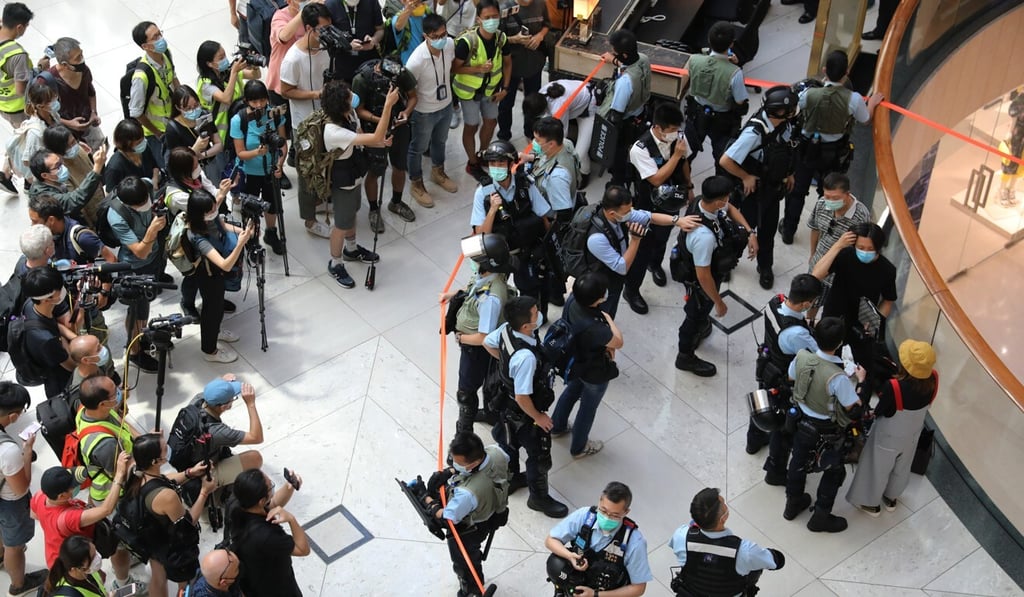
“So are media reports considered an act of endangering national safety, and will the publication of certain interviews and articles be deemed problematic?
“When the red line is unclear and moving according to political needs, media organisations may self-censor on some sensitive topics and refrain from interviewing those who are criticised by state media,” the veteran journalist added.