Advertisement
Do China’s new plans for Shenzhen mean a Greater Bay Area back seat for Hong Kong?
- While some analysts fear city could be marginalised by new emphasis on neighbour, others believe the two can complement each other
- Some local businesses, meanwhile, view Shenzhen’s rise as a springboard for growth opportunities on mainland
6-MIN READ6-MIN

Hong Kong analysts have warned the city could find itself marginalised in Beijing’s regional integration plans after the release of a new government blueprint identifying Shenzhen as the “core engine” of the Greater Bay Area.
But a former minister and other experts are adamant that even after enduring the anti-government protests of last year and being caught in the crossfire of US-China tensions, Hong Kong still enjoys comparative advantages in financial services, particularly in facilitating the “internationalising” of the yuan and development of digital currency.
Some local businesses also see fresh opportunities in the strategy Beijing laid out this week for its cross-border neighbour, which will celebrate its 40th anniversary as a special economic zone on Wednesday with a ceremony officiated by Chinese President Xi Jinping.
Advertisement
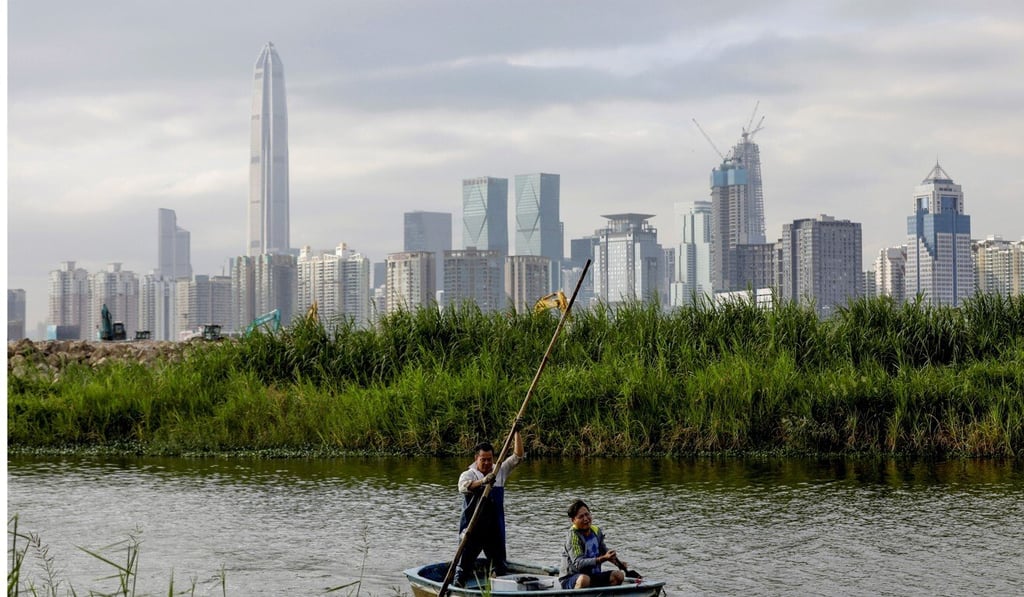
Under the new five-year plan, issued by the Communist Party and State Council on Sunday, Shenzhen was granted autonomy to make decisions on a wide range of local policies with the aim of becoming the “core engine in the development of the Greater Bay Area”.
Advertisement
The bay area project refers to Xi’s plan to turn Hong Kong, Shenzhen and nine other regional cities into a technological and finance powerhouse.
The plan for Shenzhen, which charts development from 2020 to 2025, also gives the southern Chinese city more autonomy in areas such as land use, technology and innovation, and the hiring of foreign professionals.
Advertisement
Select Voice
Select Speed
1.00x