Amid fears Beijing plans to replace them, some pro-establishment lawmakers sceptical of Bauhinia Party’s impact
- Liberal Party leader Felix Chung says he believes Beijing will use the party to inject new blood into the camp and root out underperformers
- But Exco member Regina Ip says she doubts the new group will have an impact, and wonders how much backing from Beijing it actually has

Beijing may use the new Bauhinia Party to replace poorly performing members of the pro-establishment camp in Hong Kong, political veterans have said, but an adviser to the city’s leader doubted whether the central government was truly behind the organisation and predicted its influence would be limited.
Three businessmen born on mainland China caught much of the political establishment off guard last week with the revelation they had registered the Bauhinia Party and would formally launch the organisation in one to three months. They aim to recruit up to 250,000 members, which if accomplished, would leave the party towering over others.
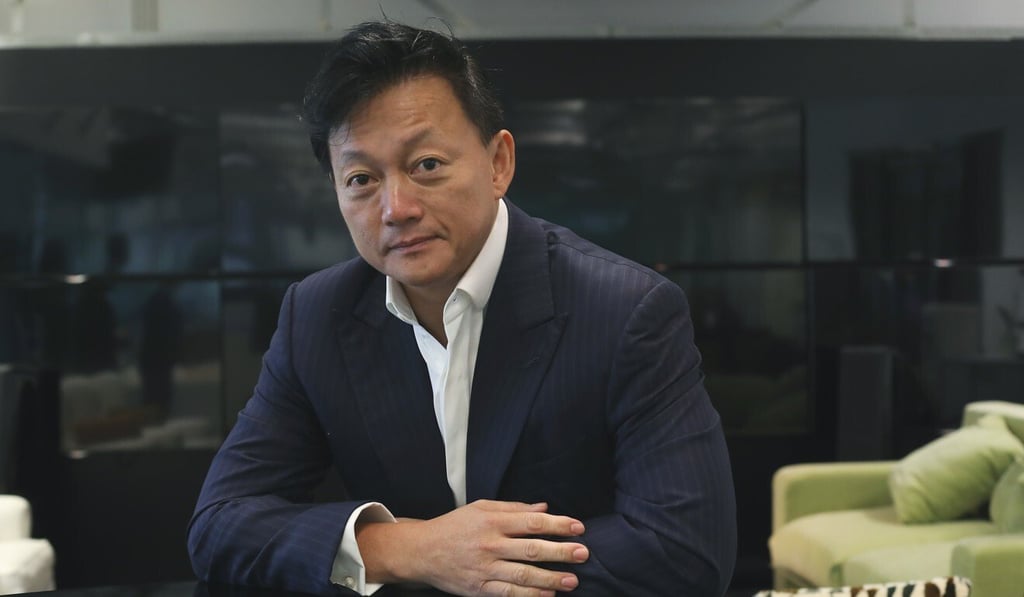
But in an interview with the Post, one of the co-founders sought to calm fears they were a proxy for Beijing intent on sweeping aside all rivals, insisting their goal was instead to strike a middle path through the political gridlock and forge a consensus on how best to solve root problems in society. The party plans to train political talent and eventually offer candidates for both Legislative Council and chief executive elections.
“Beijing hopes our emergence would benefit Hong Kong but not to stir up trouble before we launch. But in the past few days, many members of the pro-establishment camp complained to the liaison office about us … and asked to clarify whether our party was set up to replace them,” said Charles Wong Chau-chi, the party’s secretary and chief executive of the Hong Kong-listed multimedia firm CMMB Vision. “I would love to reach out to other political parties and work with them. I don’t see that as any competition at all.”
The other co-founders are Li Shan, who serves as chairman, and Chen Jianwen. Both are delegates to China’s top political advisory body, the Chinese People’s Political Consultative Conference.