Greater Bay Area tourism plan lauded, but experts warn rifts between Hong Kong, mainland China remain
- The central government sees youth engagement as key to turning the Greater Bay Area into an arts and culture destination
- However, experts warn that cultural and political differences between Hong Kong and the mainland must first be bridged

They were responding to a development road map through 2035 revealed last month by China’s Ministry of Culture and Tourism that prominently highlighted exchanges in such areas as the arts, innovation and technology to bolster young people’s national education and pave the way for their future careers.
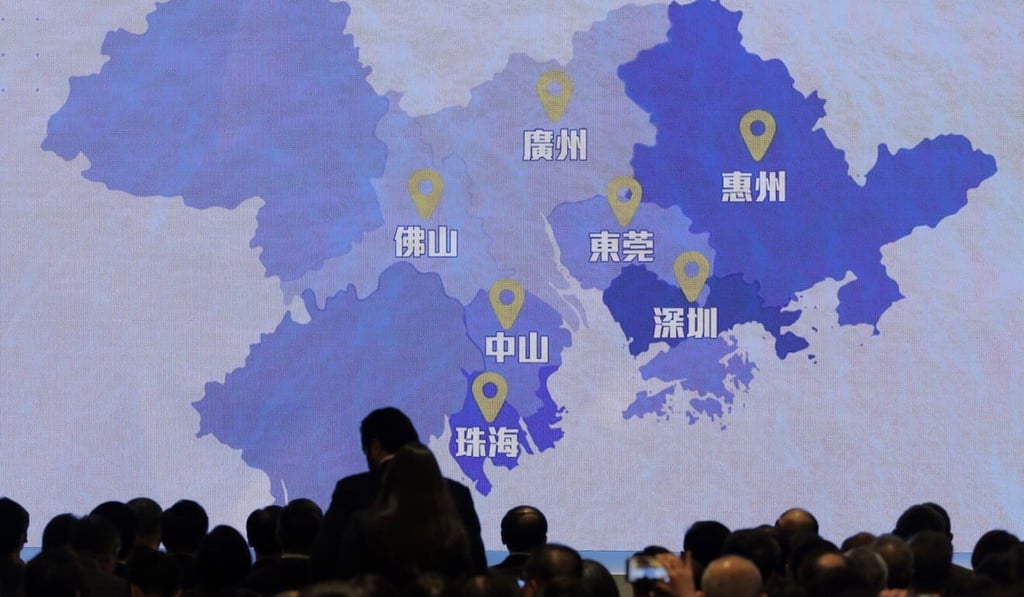
The 20-page document also called for bundling the tourism resources of the bay area – composed of nine mainland cities, Hong Kong and Macau – into a travel mecca featuring multi-destination tours, cruises and road trips, intercity arts and culture festivals, and sporting events.
“The road map is definitely something positive. But we must think one step forward to look into how Hong Kong youth can be encouraged to join voluntarily,” said Daniel Shek Tan-lei, Polytechnic University’s interim vice-president of research and innovation.
Hong Kong was folded into the massive bay area scheme unveiled by Beijing last February in hopes of creating an economic engine to rival Silicon Valley in the United States. The 11 cities included in the plan have a total population of 71.2 million, and a combined gross domestic product of about US$1.7 trillion, accounting for roughly 12 per cent of China’s economy.