Advertisement
Hong Kong national security law: Apple Daily arrests could encourage self-censorship, experts warn, but legal scholars insist reporters have little to fear
- Industry expresses concern over impact of police raid and arrest of senior newspaper figures on media freedom
- But pro-establishment figures say normal journalistic work can take place ‘freely and lawfully in Hong Kong’
5-MIN READ5-MIN
99+

The arrests of the editor-in-chief, publisher and three other executives of Apple Daily have dealt a severe blow to Hong Kong’s freewheeling media scene and could encourage self-censorship among reporters for fear of flouting the national security law, journalists and legal scholars have warned.
But some legal experts called for calm, insisting the media should not fear the Beijing-decreed national security law as long as they stuck to reporting facts and did not practice advocacy journalism in breach of the legislation.
On Thursday, police raided the homes of the tabloid’s editor-in-chief, Ryan Law Wai-kwong, and four others, including publisher and CEO of parent company Next Digital Cheung Kim-hung, arresting them for their roles in the publication of more than 30 articles.
Advertisement
Senior Superintendent Steve Li Kwai-wah of the National Security Department said the offending articles amounted to calls for foreign sanctions against Hong Kong and the country, and were in breach of Article 29 of the legislation banning collusion with foreign forces.
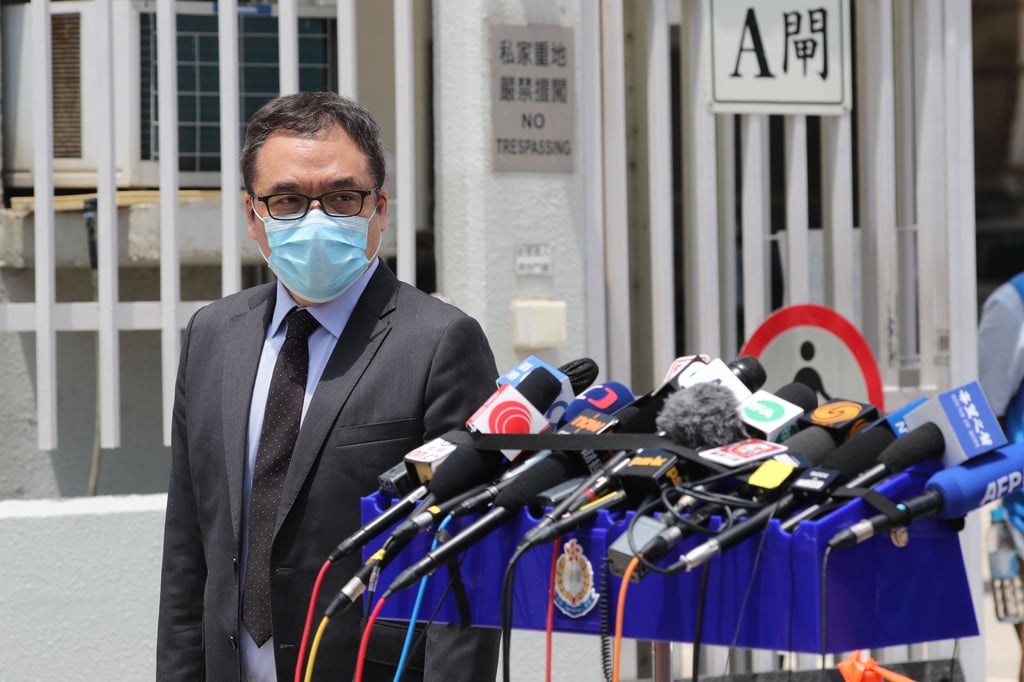
More than 200 police officers descended on the tabloid’s headquarters in Tseung Kwan O with a court warrant, cordoning off the complex, as they combed through the newsroom and seized journalists’ laptops.
Advertisement
Thomas Kellogg, executive director of Georgetown Centre for Asian Law, a branch of Georgetown University in the United States, said the crackdown was not in keeping with Hong Kong’s mini-constitution, the Basic Law, as it provided for sufficient human rights protection and made any criminalisation of mere speech difficult.
Advertisement
Select Voice
Select Speed
1.00x