Hong Kong opposition camp rues its future: will it be able to find its place in new political landscape?
- Left out in the cold, activists are uncertain about the future, with colleagues behind bars or in exile
- National security law shake-up leaves leaders of major parties wary of discussing what happens next

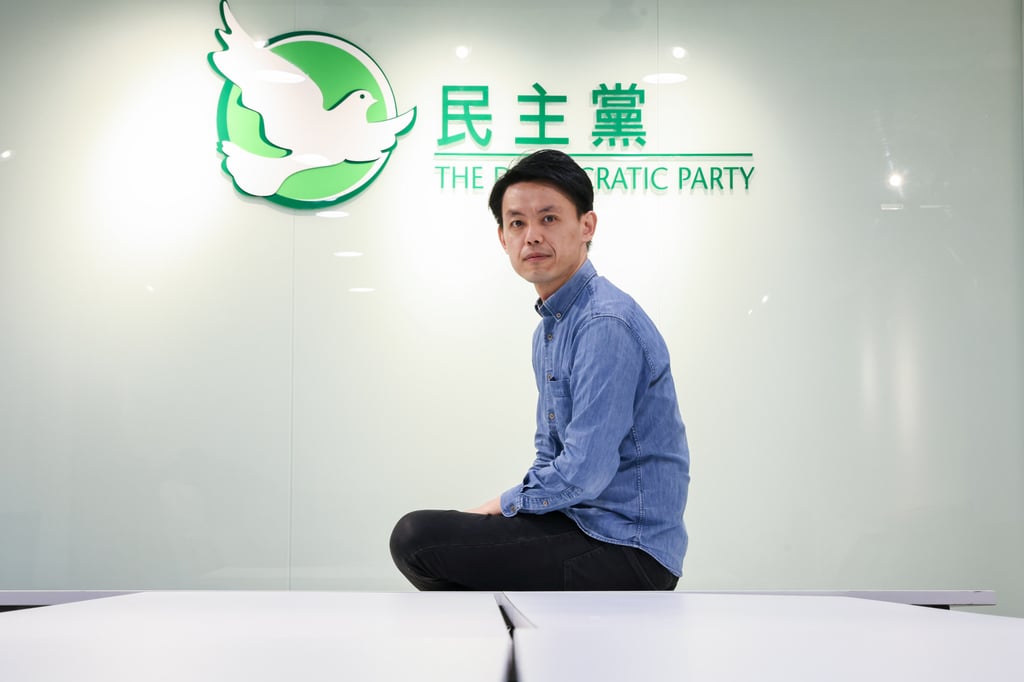
When social worker Lo Kin-hei was elected chairman of the Democratic Party in December 2020 at the age of 36, he became the youngest leader to head the city’s largest opposition group.
But there was little to celebrate. For the first time in its 26-year history, Hong Kong’s largest pro-democracy party had no representatives in the Legislative Council.
Opposition parties were still reeling from the national security law Beijing imposed in June that year.
That November, the Democratic Party’s six lawmakers had resigned, along with other opposition members, to protest a decision by China’s top legislative body to disqualify four of their allies.
Soon after came a wave of resignations by its district councillors, ahead of new oath-taking rules set by the security law that might have required them to repay wages if they were unseated for being “unpatriotic”.
The party went from having 91 district councillors to only six.