‘Totally different’ Hong Kong political climate paves way for smooth passage of domestic national security law compared with earlier attempt
- John Lee had more room to move the bill with a patriots-only legislature and Beijing-imposed security law in place
- US-China tensions and city as ‘pawn’ make for strong case of new law, say analysts

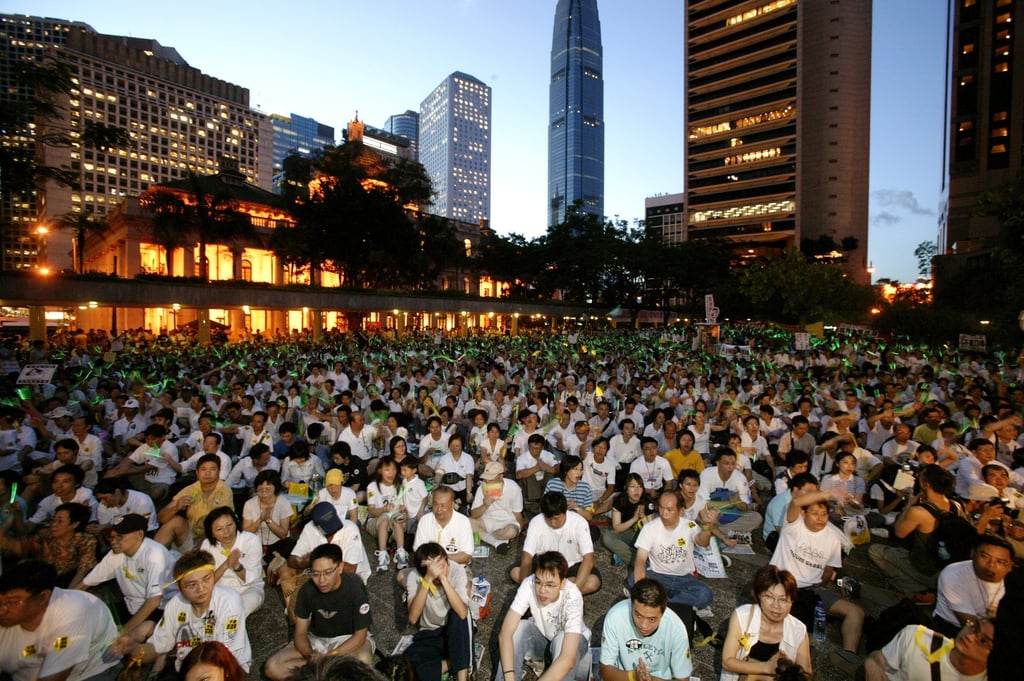
Yet on Tuesday, the city’s legislature sailed the bill through unanimously with all votes aligned behind the new law, a stark contrast from 2003.
Back then, in response to the massive protest, the city’s first post-handover leader, Tung Chee-hwa, withdrew the legislation.
Three other chief executives after him steered clear of the thorny topic.
But analysts said there was also an unspoken understanding from Beijing that it would be patient and wait for the right time to reintroduce the law.
That timing appeared to coincide with the tenure of the city’s fifth chief executive, John Lee Ka-chiu. When he was elected in 2022, he vowed to enact the law which is mandated by Article 23 of the Basic Law, the city’s mini-constitution, within his term of office.