Officials in unprecedented move to protect Hong Kong’s heritage by creating new system to save modern buildings from developers’ wrecking ball
- Antiquities Advisory Board urging government to protect buildings such as the Choi Hung public housing estate
- Move comes as iconic landmarks like the General Post Office and Excelsior hotel face demolition

A top adviser to the Hong Kong government on heritage issues has revealed how he is pressing for a new system to evaluate modern architecture as a number of familiar landmarks face demolition.
Local support for preserving buildings erected after 1950 has been growing, with famous sites such as the General Post Office, the headquarters of the Garden Company bakery, and the Excelsior hotel due to be knocked down.
“In some sense we are racing against time,” said Douglas So Cheung-tak, chairman of the Antiquities Advisory Board (AAB). “Most of our city’s architecture was built after the war. I think we should assess those buildings because many of them are quite characteristic. The question is how and when to assess them.”
So’s push comes as the world grows increasingly aware of the importance of preserving elements of the 20th century. Countries such as Japan, Britain and the United States have all introduced programmes to identify and conserve modern architecture.
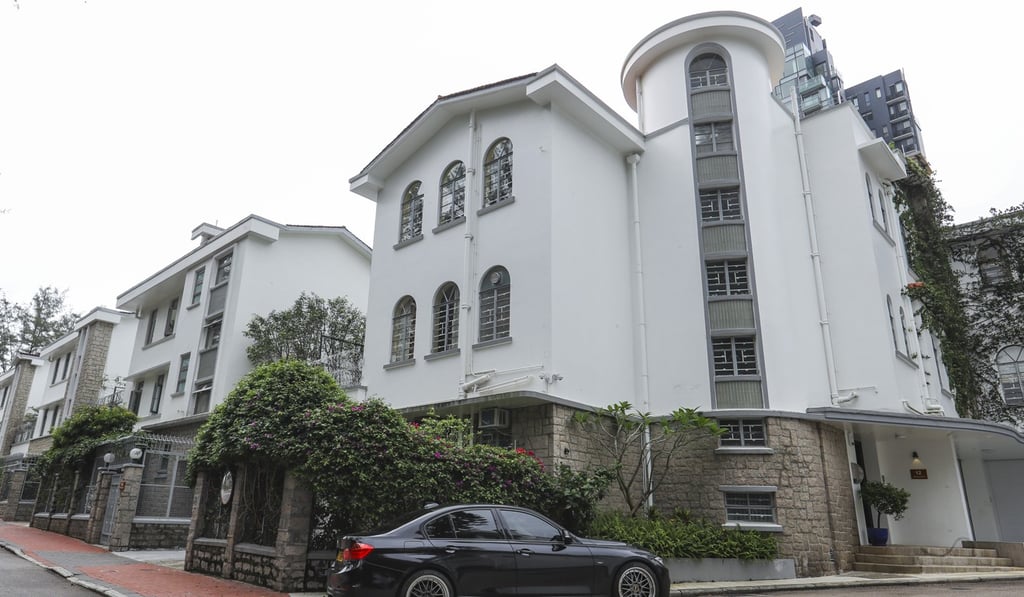
Conservation experts have urged the government to follow the global trend of giving greater importance to a building’s community influence when appraising its cultural significance, and have called for the wider participation of people in decision making.