ExplainerA century-old reservoir has captured Hongkongers’ imagination amid Covid-19 doom and gloom, political strife
- News of public discovery of grand underground structures which were nearly demolished causes government U-turn and apology
- The Post explores past conservation controversies and lists gems throughout city that history buffs can visit

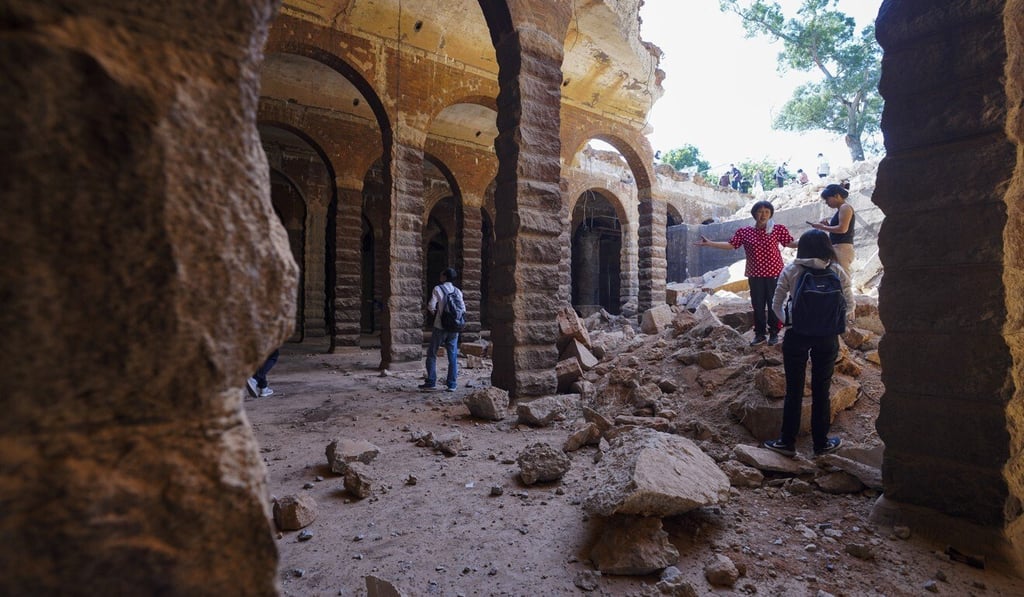
The discovery of a century-old underground reservoir with massive stone and brick arches in Hong Kong has been the talk of the town in a city weary from a year of headlines centred on the Covid-19 pandemic and political uncertainty.
The structure on a hilltop in Shek Kip Mei was initially destined for demolition, with parts already torn down, but public discovery of its historical significance set social media abuzz, forcing authorities to halt the work, issue an apology for “insensitivity and miscommunication”, and vow to look into preserving the site.
The Post explores the saga, reactions and the bigger heritage scene in the city.
1. What’s the origin story behind the reservoir?
Located at what is known as Bishop’s Hill in Shek Kip Mei, the reservoir was built on August 10, 1904, as part of the Kowloon Waterworks Gravitation Scheme, according to old colonial documents. It was created to increase water supply for the Kowloon peninsula’s expanding population, after the first one in Yau Ma Tei was deemed inadequate. The British colonial government spent about HK$68,000 on the project at the time.
The round underground structure, built with 100 stone columns and brick arches, is 47 metres in diameter and 7 metres deep. It has not been used since the 1970s.