Why architect of Hong Kong-Zhuhai-Macau Bridge’s passenger clearance building looked to nature for inspiration
- Aedas boss Keith Griffiths wanted to create a unique structure that represented Hong Kong and left visitors feeling at ease

When visitors marvel at the wavelike architecture of Hong Kong’s passenger clearance building for the world’s longest sea crossing, they might feel a sense of intimacy and connectivity with nature.
That was because the building was created to represent the city and reduce stress for users of the newly opened Hong Kong-Zhuhai-Macau Bridge, the designer said.
In an interview with the Post, Keith Griffiths, chairman and global design principal of international architecture firm Aedas, said the two-storey building, sited on a 150-hectare artificial island, would serve as an iconic “front door” to amaze passengers.
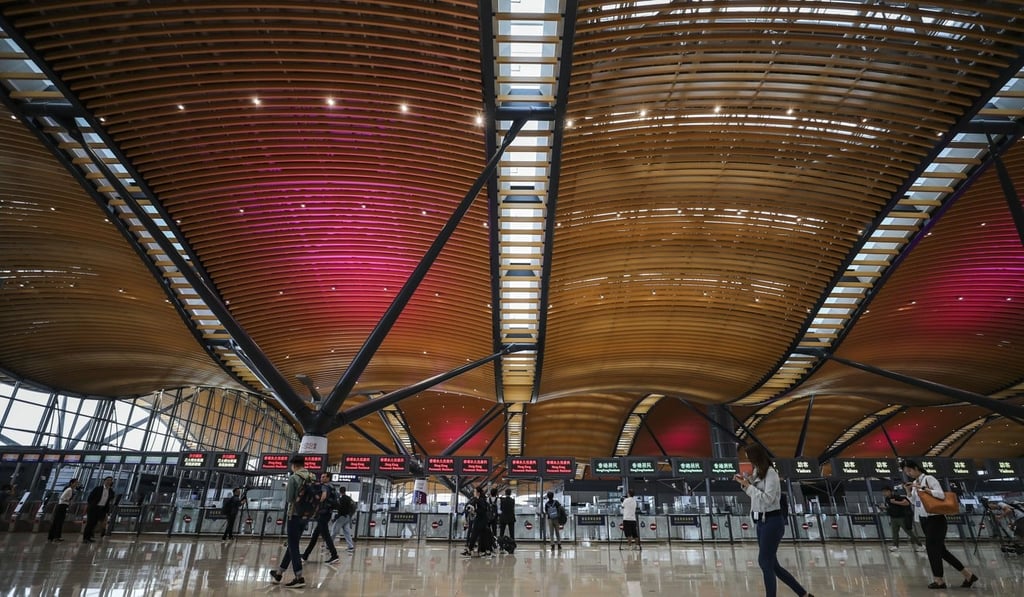
“Our primary considerations … were to create a building that was uniquely of and for Hong Kong,” said the Briton, a resident of the city for 35 years.
“How do you create a building not seen anywhere else in the world except Hong Kong?