Hong Kong to launch licensed ride-hailing services by fourth quarter of 2026
Government’s 124-page transport strategy blueprint also proposes measures for autonomous vehicles and a smart and green mass transit system

Hong Kong’s first licensed ride-hailing platforms are expected to commence operations by the fourth quarter this year, while authorities have also proposed measures to improve taxi services as part of a transport blueprint.
The Transport Department on Friday unveiled its 124-page strategy blueprint, covering areas including the low-altitude economy, autonomous vehicles, and a smart and green mass transit system.
In the long run, with the complementary strengths of taxi and ride-hailing operations, more private car users could be encouraged to switch to personalised point-to-point public transport, increasing overall usage, the blueprint said.
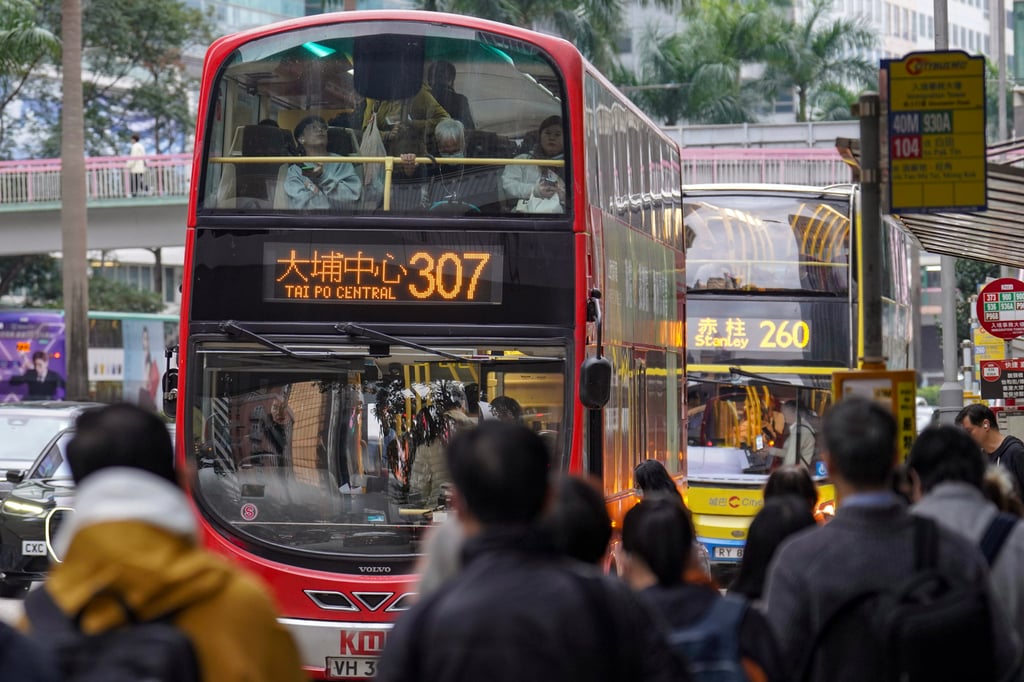
“The blueprint adopts a macro perspective to provide impetus for Hong Kong’s development for the next two decades,” Secretary for Transport and Logistics Mable Chan said, stressing that the measures were formulated with a human-centric approach.
“The blueprint aligns with the country’s 15th five-year plan … to support the efficient operation of our financial, shipping and trade hubs to connect the world and facilitate regional synergy, playing to Hong Kong’s advantage as a connector.”
Chan said authorities were “actively working” towards a target of enabling the first few ride-hailing platforms to operate in the city in the final quarter of the year, but stressed that a “legislative amendment exercise” was still needed.
She said she would consult the Legislative Council when ready on regulating the licences for drivers, ride-hailing platforms and vehicles, “to provide more diversified point-to-point, personalised services for our Hong Kong citizens and visitors”.
Currently, it is illegal in Hong Kong for private vehicle drivers to accept paid customers without a hire-car permit, but ride-hailing platforms such as Uber, Tada, Amap and Didi Chuxing still operate such services without regulation. Amap is operated by Alibaba Group Holding, which also owns the South China Morning Post.