An ancient group of Hong Kong inhabitants loved their seafood, to an extreme
- A new study of neolithic skeletons from Hong Kong found they were almost entirely reliant on seafood for their protein
- The people had no real peers in the region, with the closest similar diets coming from northern Asia

Whether booking a semi-private ferry to grab dinner on Lamma Island, the third-largest island of Hong Kong, a trip to the fishing village of Lei Yue Mun or an evening on Sai Kung’s touristy promenade, Hongkongers will make quite the effort for the freshest seafood the city has to offer.
And if we were to visit the people who lived in the area 4,000 years ago, we would have found a similar love for seafood, although it was taken to the extreme.
A study published in The Journal of Island and Coastal Archaeology in late February found that a small population of neolithic Hongkongers were highly reliant on fish.
Christina Cheung, a researcher at Vrije Universiteit Brussel in Belgium who wrote the study, said these people were so reliant on seafood that they probably did not rely much on farming for food or hunting land animals.
“For people who lived in a coastal area, I would expect them to eat some marine food, but I was surprised to see that, in these ancient Hong Kong people, they were reliant on marine protein to such an extreme extent,” she said.
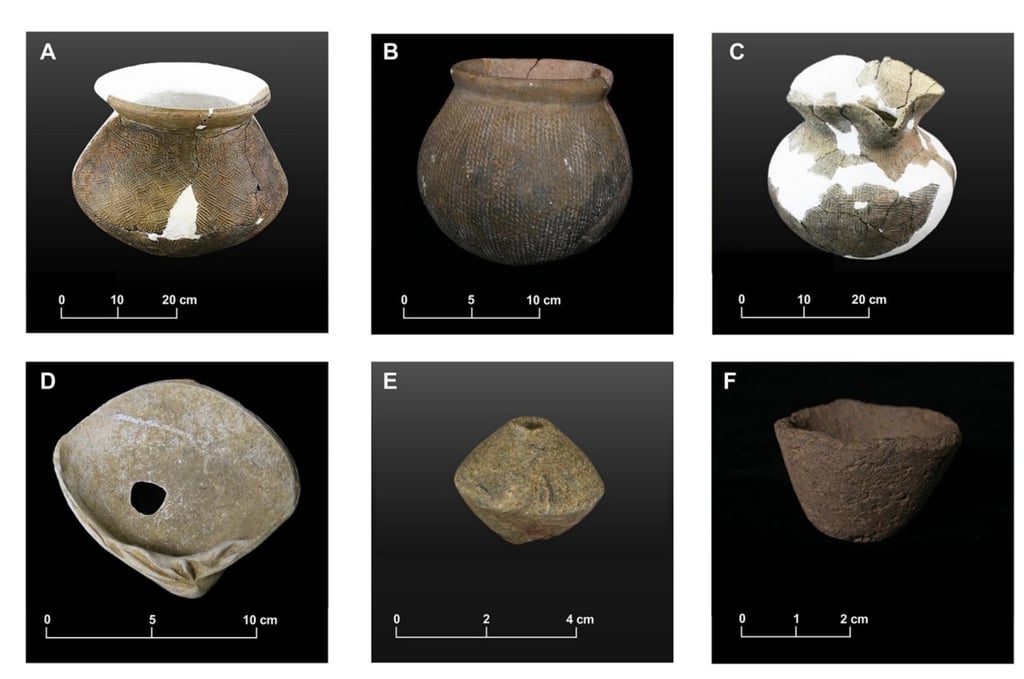
The study analysed bone samples from a group of 13 neolithic skeletons found on Ma Wan island at a site called Tung Wan Tsai, which modern Hong Kong residents may recognise as a small beach next to the island’s ferry pier.