Advertisement
How a style of jade jewellery provides a window into the cultures and traditions of Ming dynasty royalty
- Called ‘group jade pendants’, they were initially worn as a status symbol, typically reserved for society’s most influential people
- It would eventually become accessible to commoners, a development that tracked changes in the Ming dynasty itself
2-MIN READ2-MIN

It would be hard to think of a mineral more intertwined with Chinese jewellery as jade.
The earliest history of the iconic green-tinted gemstone dates back 12,000 years, and it has been an essential part of society almost from day one, decorating the bodies and homes of emperors and commoners alike.
During the Ming dynasty (1368-1644), a special type of jade jewellery called “group jade pendants” became a symbol of power, elegance and, eventually, represented an economic transformation of the empire.
Advertisement
Typically hung from cloth waistbands, these pieces of jewellery featured a series of jade carvings held together by metal chains, often made of gold or silver.
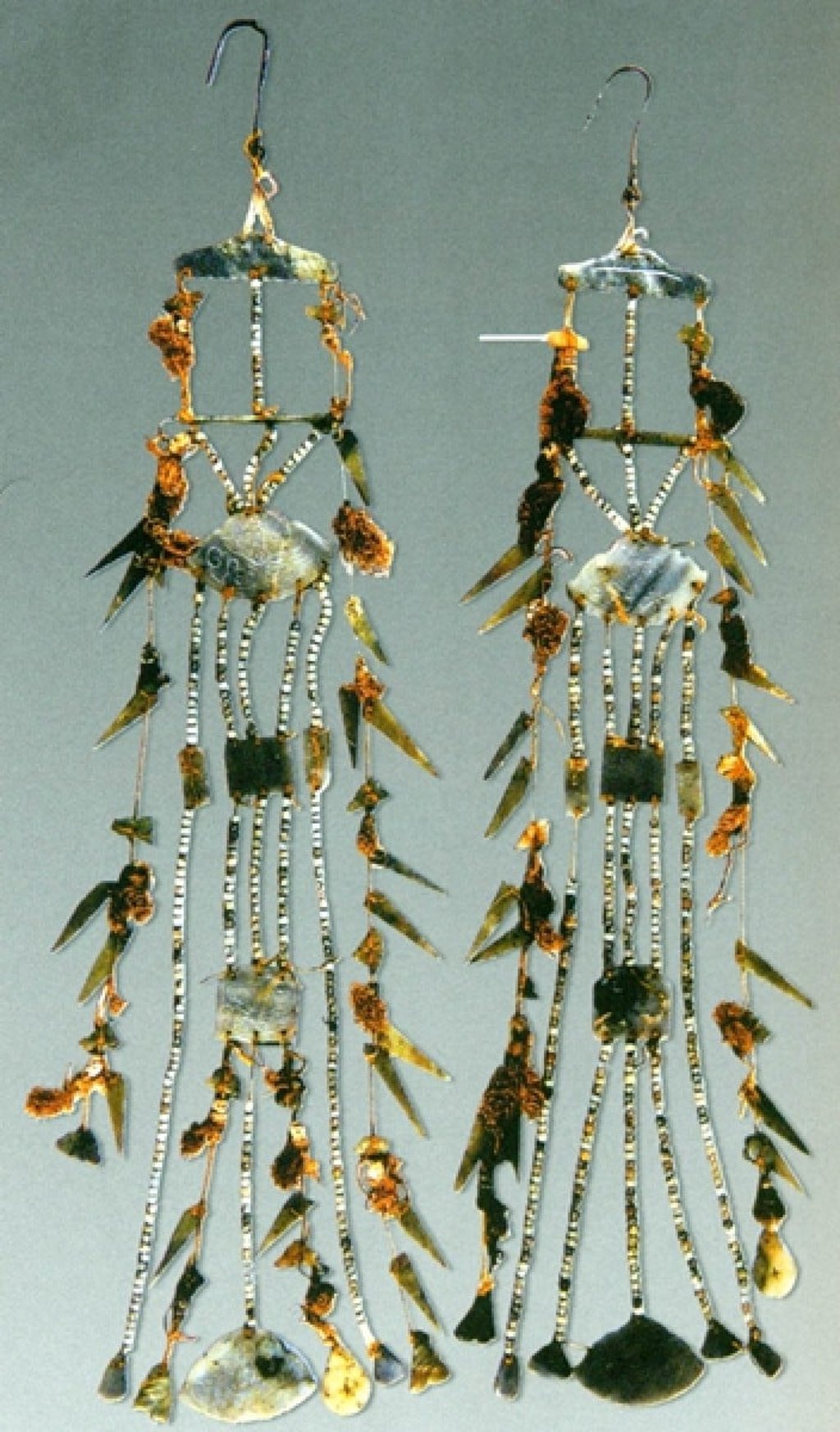
According to new research published in Advances in Social Science, Education and Humanities Research, a peer-reviewed journal, the structures of the pendants typically included four distinct “sections”.
Advertisement
Advertisement
Select Voice
Select Speed
1.00x