ExplainerHow ancient Chinese porcelain pillows defy comfort standards, yet still can promote health
Centuries-old hard headrests not only helped energy flow through the body, they also kept difficult-to-make hairstyles intact

China’s ancient porcelain pillows are appealing antiques and often feature exquisite designs, but they also confuse modern-day people with their hardness.
The earliest porcelain pillow discovered to date was unearthed from the tomb of an official called Zhang Sheng who lived during the Sui dynasty (581-618).
The custom of sleeping on porcelain pillows gained popularity in the Tang dynasty (618-907), had its peak in the Song dynasty (960-1279), before declining in the Ming and Qing dynasties (1368-1912).
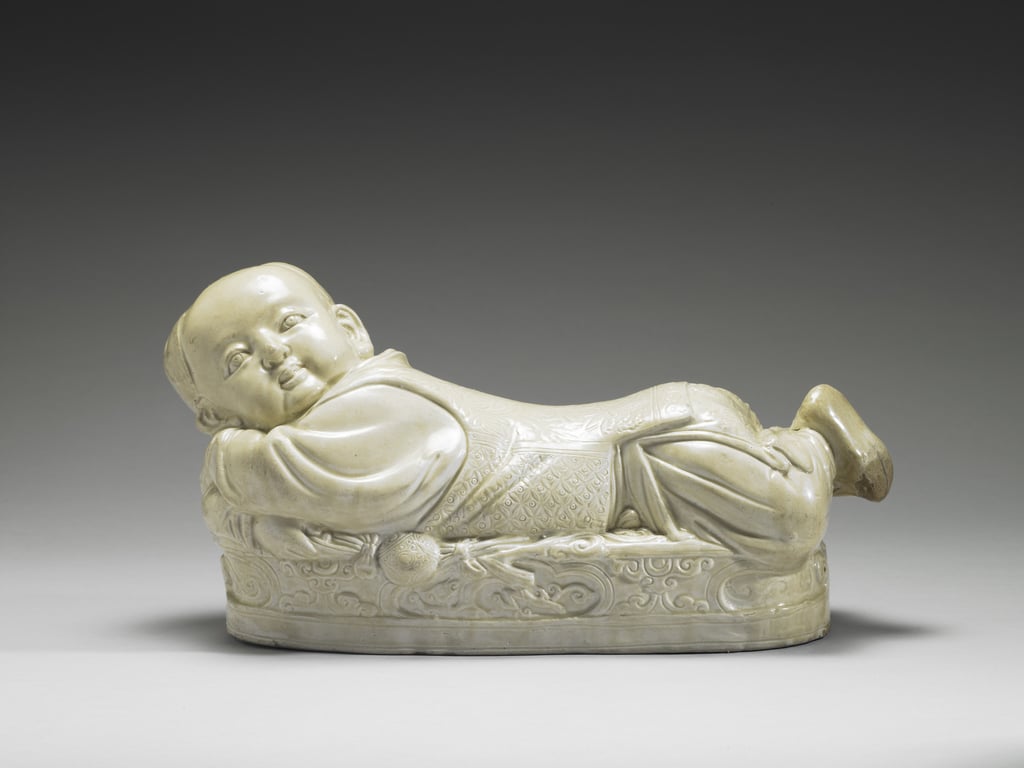
According to ancient Chinese poetry and literature, people deliberately chose to sleep on hard and cold porcelain pillows due to their cooling effect during summer.
Also, they were considered good for a person’s health.
In ancient yang sheng, or self-nourishing theories, the head represents yang, or the energy of the sun, and heat in the head would affect sleep quality.
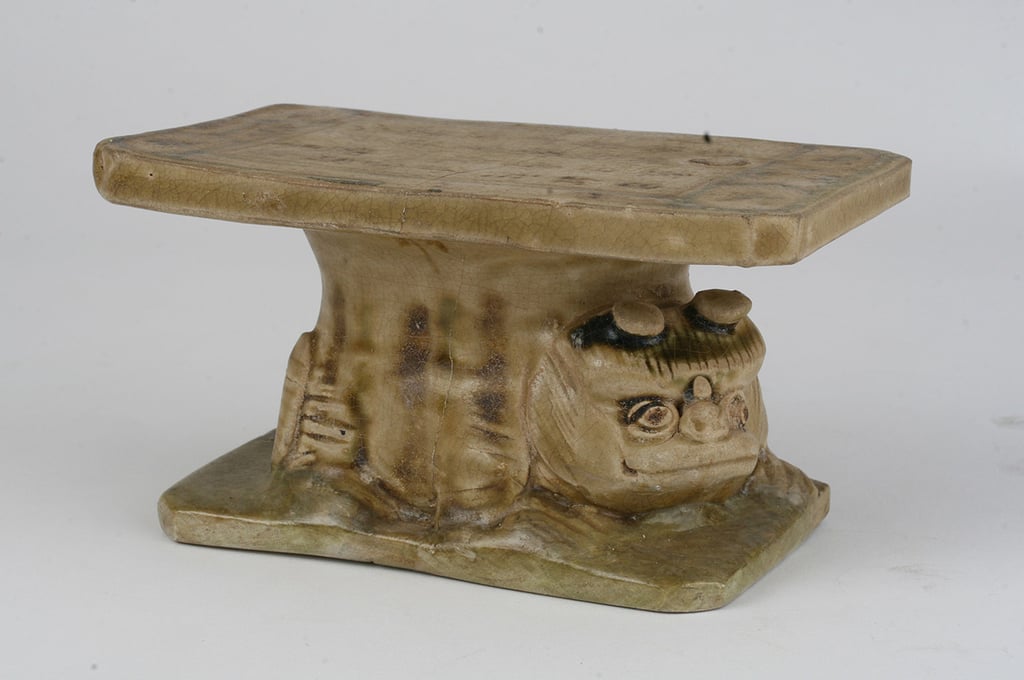
People also believed that sleeping with their head raised seven to 10 centimetres and lying on their side was healthy.