Fewer babies, altered expectations and a desire for connection: how modern society is forcing Chinese filial piety to adapt to new times
- Filial piety, a set of Confucian ideals about how children should respect and obey their elders, have long been a part of China’s social fabric
- But the pressures and perks of a rapidly urbanising society are leading to adaptations among both the old and young generations
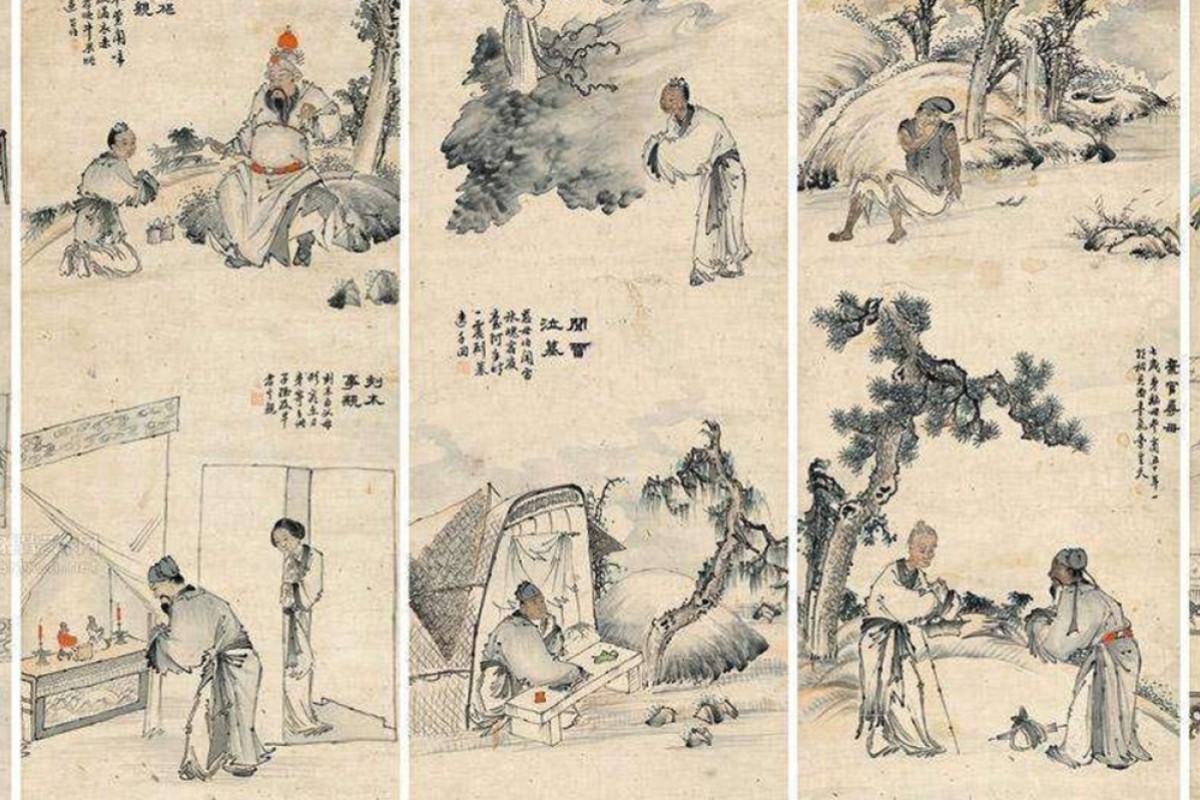
In China, a set of traditional family values dating back centuries can seem increasingly outdated, but rather than rejecting them wholesale, researchers have found that many Chinese are adapting them to modern life.
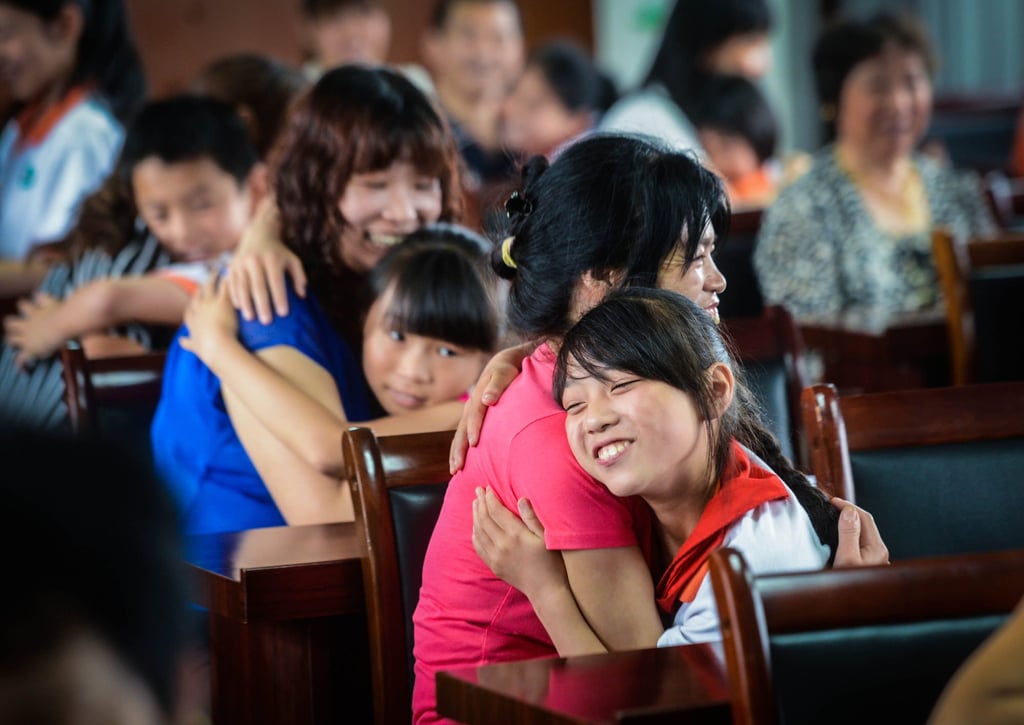
“What I hear from university students thinking about filial piety is they emphasise caring about their parents, and being respectful, but also having respect going both ways,” said Emma Buchtel, an associate professor in the department of psychology at The Education University of Hong Kong, who has studied filial piety in Hong Kong and on the mainland.
“The obedience stuff is called ‘foolish filial piety’, where you just do what your parents say. And they rate that as lower in importance,” she said.
Xu Jing, an anthropologist at the University of Washington, said the English phrase itself, “filial piety”, is imperfect.