Advertisement
A tantalising discovery in China hints at the possibility of one day finding dinosaur DNA
- Scientists in China found a nucleus in a 125-million-year-old dinosaur fossil and what they think were chromatin threads
- Chromatin is like a container for DNA, suggesting the possibility that it holds fossilised DNA
3-MIN READ3-MIN
1

For as long as palaeontology has existed, the idea that DNA could be preserved in fossils was thought to be extremely unlikely; the material is simply too fragile to leave remnants that last for hundreds of millions of years.
Well, that assumption may be put to the test thanks to two recent discoveries, with the latest coming out of China.
Last month, a team of scientists published an analysis from a 125-million-year-old Caudipteryx, a birdlike dinosaur that was about the size of a peacock, and said they found well-preserved cartilage cells that included an image of a nucleus. The exciting part of the discovery is that the nucleus contained “fossilised threads of chromatin”.
Advertisement
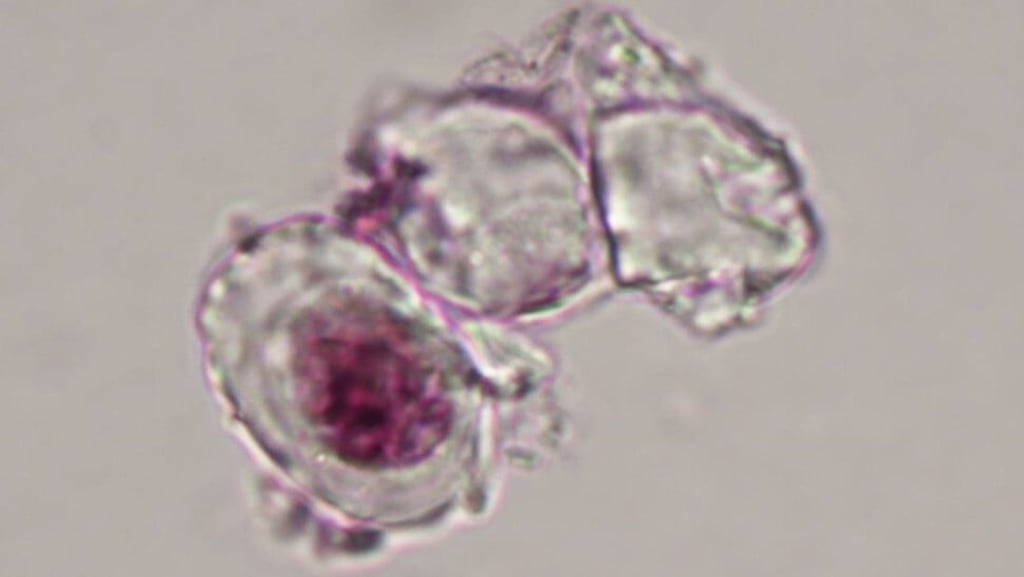
Chromatin makes up chromosomes and consists of DNA and protein, which form during cell separation. It is one of the building blocks for life on earth.
Advertisement
Finding what appears to be fossilised chromatin suggests the possibility that it contains DNA, but scientists need to do much more refined tests to learn whether the DNA had been fossilised.
Advertisement
Select Voice
Select Speed
1.00x