Advertisement
Where light pollution impacts marine life most – new global atlas highlights areas of concern
- Scientists have mapped coastal cities and their contributions to light pollution affecting the oceans, to pinpoint hotspots for research into its impacts
- LED lights are a major factor behind the increase in light pollution in cities such as Hong Kong, but it’s a fixable problem, they and other experts say
4-MIN READ4-MIN
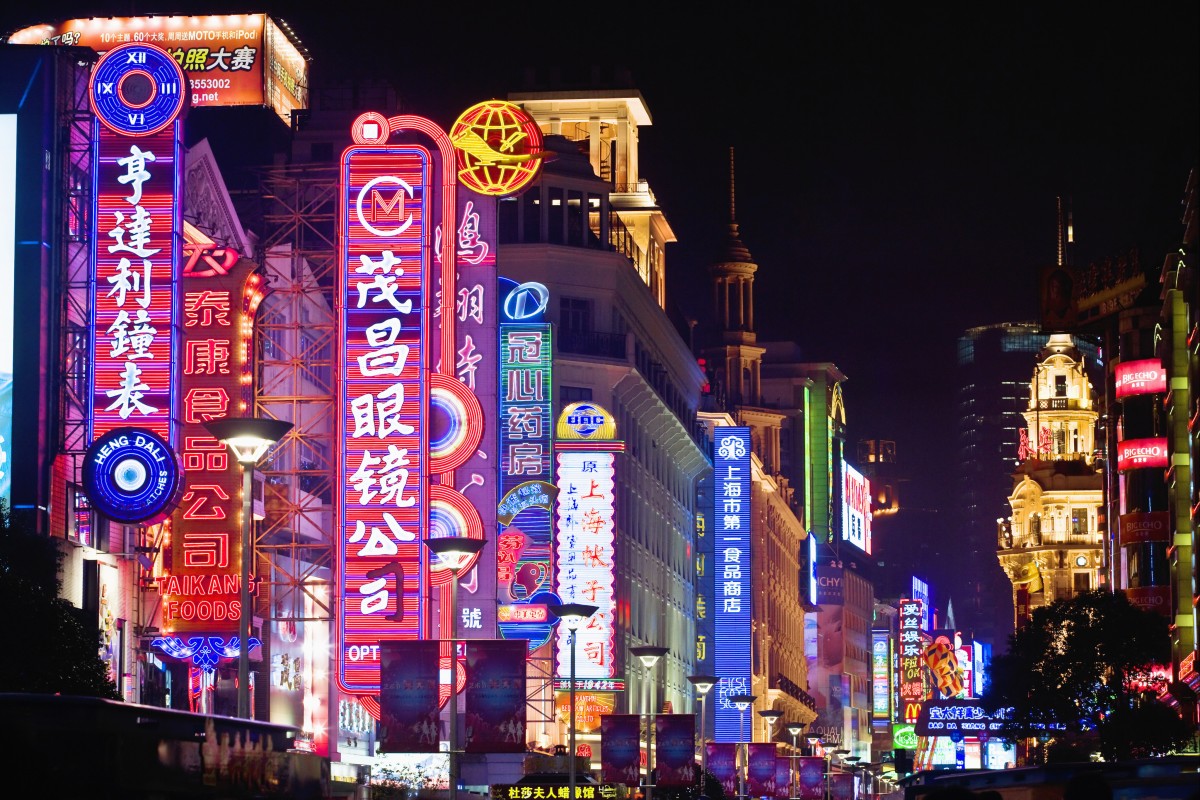
People who spend a lifetime in cities like Hong Kong, Shanghai or Beijing might not be able to see the Milky Way with the naked eye during the course of their lives.
Light pollution is simply a reality of modern urban life, so much so that some people in China are willing to fork out over 10,000 yuan (US$1,570) to travel to less densely populated regions of the country to see clear stars for the first time in their lives.
As our world becomes more populated and more urbanised, scientists have begun to study how artificial lights impact our health and the natural environment.
Advertisement
For example, the American city of Philadelphia had a wake-up call in October 2020 when a major “collision event” resulted in the deaths of hundreds of birds because they were disoriented by poor weather and drawn to the city by the night lights, where they then flew into buildings, killing themselves.
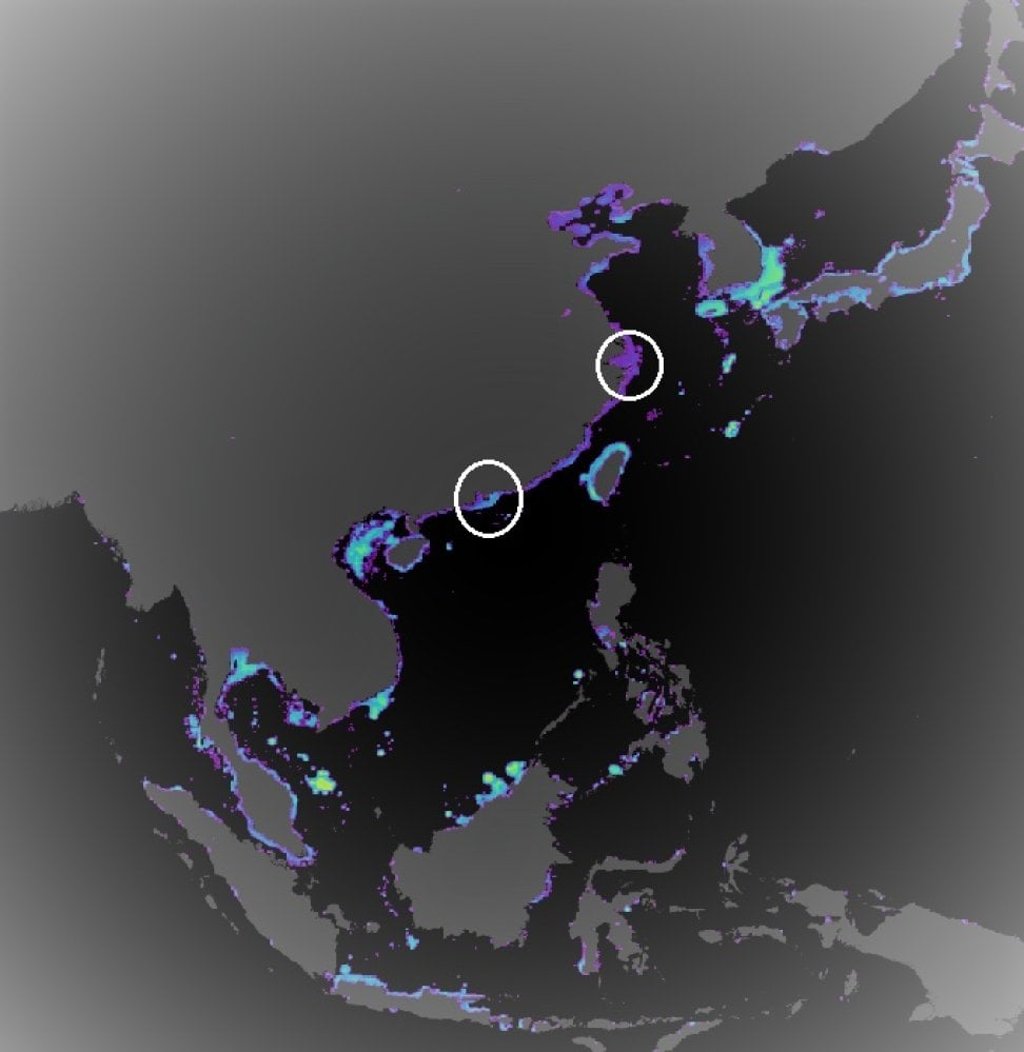
While scientists continue to study the impact of light pollution on the skies, we know remarkably little about how artificial lights impact marine wildlife, which is a problematic gap in our knowledge because today’s cities are very likely to be built near large bodies of water.
Advertisement
Advertisement
Select Voice
Select Speed
1.00x