Advertisement
What happens when relics are found during a construction project?
- Called ‘rescue archaeology’ the process is a balancing act between the past and the present
- In places with a vibrant archaeological history, it’s just the cost of building infrastructure
5-MIN READ5-MIN

Whether it is building the subway systems in Hong Kong or constructing the Olympics facilities near Beijing, part of infrastructure development in China is managing the possibility that the project will stumble upon a piece of ancient Chinese history.
The city of Xian, once the centre of power in ancient China across 13 dynasties and thousands of years, struggles with a public transport system that lags behind other Chinese cities of its size, home to about 12 million people.
The reason is they keep discovering relics during construction. In 2019, a new subway line was disrupted when workers found an entire town from the Qin dynasty (221 to 206BC).
Advertisement
In Beijing, hosting two Olympics – and building the necessary infrastructure required for the Games – resulted in significant discoveries. Ahead of this year’s Winter Games, archaeologists excavated a summer getaway for a Jin dynasty (1115-1234) emperor near where athletes are set to compete in skiing events.
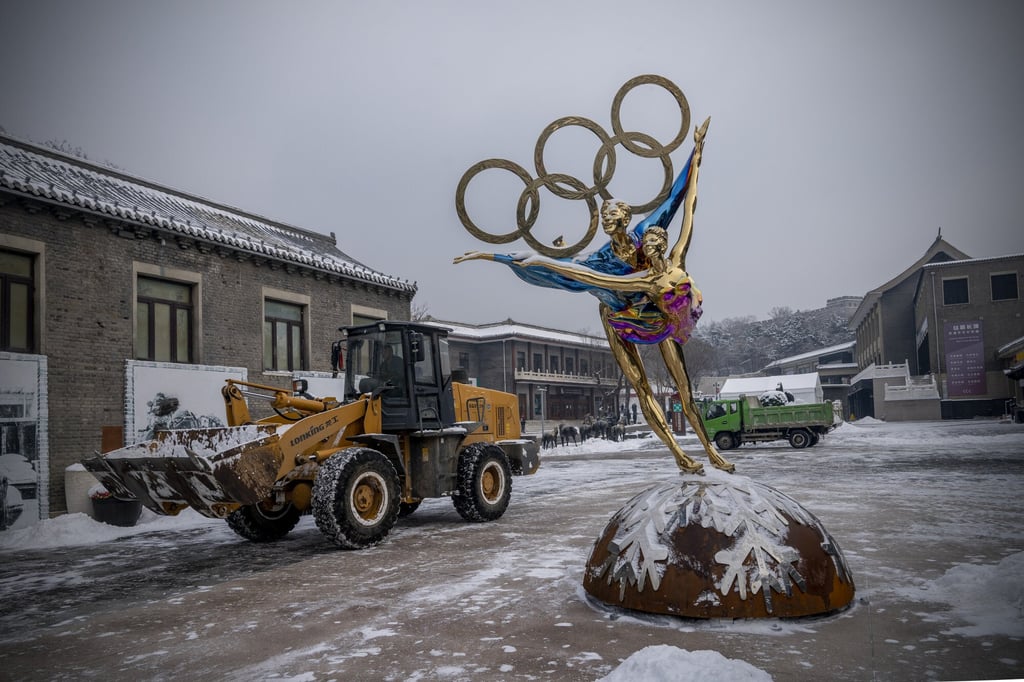
But while we hear about the discoveries after they are announced, public discourse tends to skip the actual process of unearthing the artefacts when building infrastructure.
Advertisement
The process, called “rescue archaeology”, or half-a-dozen other synonyms, is, in its simplest form, asking archaeologists to perform their normal work but under unique constraints.
Advertisement
Select Voice
Select Speed
1.00x