Ancient relatives of ‘penis worms’ discovered in China probably had brains
- Scientists believe the fossils show definitive examples of prehistoric brain tissue
- Whether brain tissue can be fossilised is up for debate, and this new discovery is an important piece of evidence

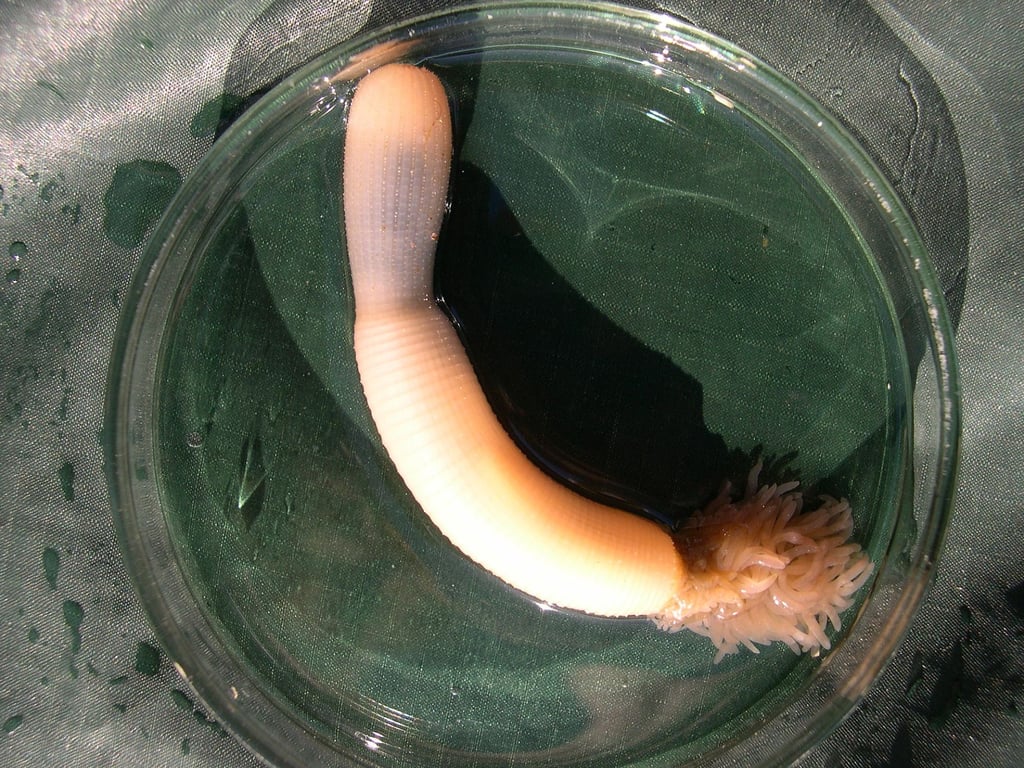
Contrary to the common jokes that genitalia impedes clarity of thought, a recent fossil from central China revealed that an ancient cousin of the modern “penis worm” may have indeed contained brains.
The fossils date back to the Cambrian Period (485 – 539 million years ago), and are thought to be about 500 million years old. The fossils were first discovered in Hunan province in central China and the global study included scientists from the country.
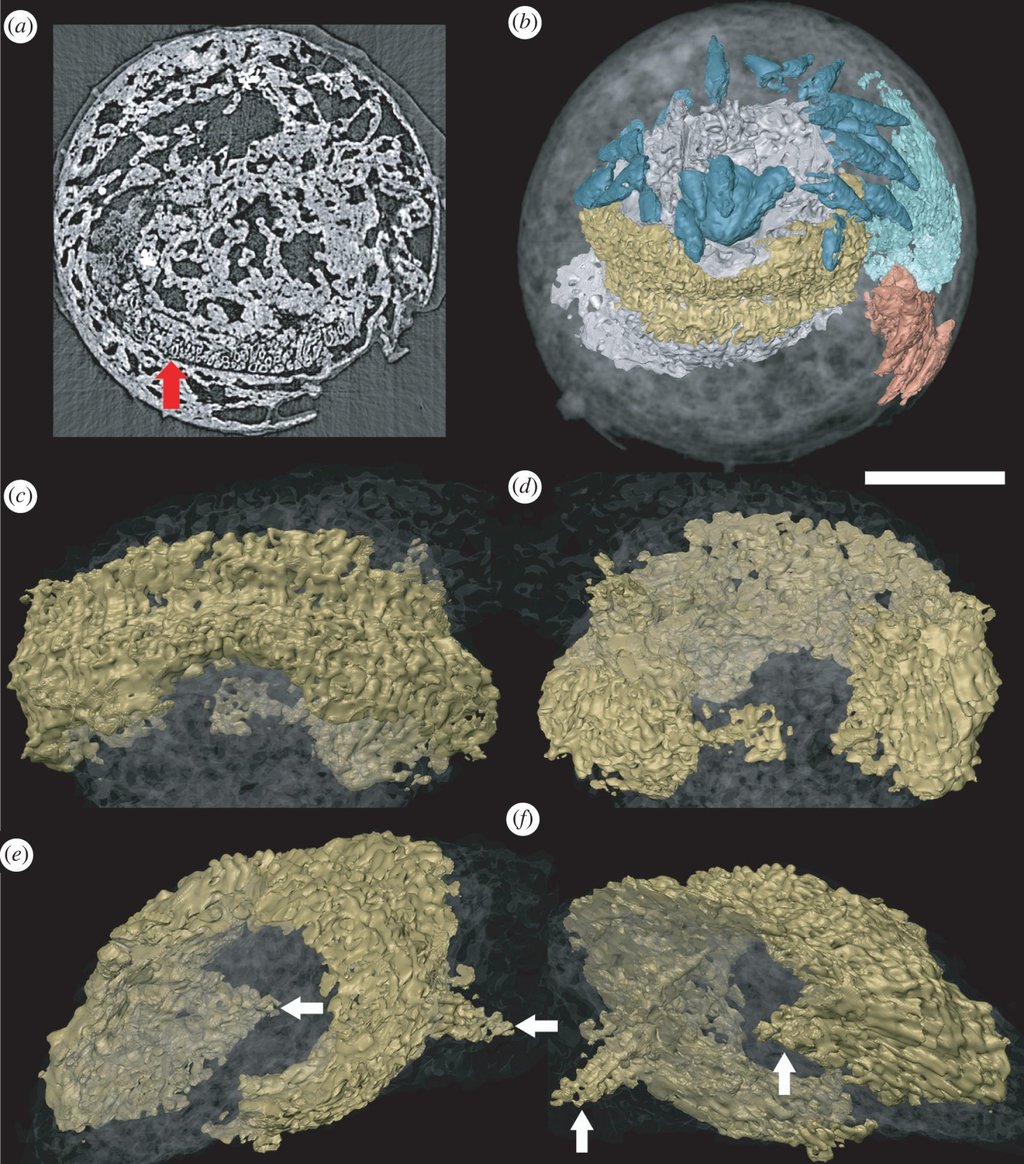
Despite the sophomoric nomenclature, the discovery itself could mark a significant breakthrough in palaeontology: it is a rare moment when scientists have found a definitive example of fossilised brain tissue from hundreds of millions of years ago.
The study, published in the Royal Society of Open Science journal in early October, paints a picture of a fossilised brain that would hold up to academic scrutiny and possibly offer hard evidence to support one side of a fierce academic debate, according to Live Science, an online news outlet.
Proving the existence of fossilised brain tissue has been remarkably difficult because the soft tissue in animal brains disintegrates faster than other parts of the body, making it rare to have survived for hundreds of millions of years.
A particular sector of palaeontologists does not believe brain tissue can survive long enough to become fossils we can see today.